Advertisement






The Gulf conflict has disrupted global supply chains, pushed...
REITs have changed the way commercial real estate is owned a...
What really powers the cloud? Behind every Google search, A...
What really powers the cloud? Behind every Google search, A...
Luxury real estate is one of the most talked-about segments ...
Homebuyers considering properties in emerging real estate markets should assess infrastructure readiness, connectivity, developer credibility and social amenities rather than relying solely on affordable prices or expected appreciation. Industry representatives from Sikka Group, Migsun Group, Numax City and Northwind Estates have highlighted the importance of verifying project approvals, evaluating construction quality and checking access to essential services. Buyers should also examine civic infrastructure, ownership costs and sustainable demand to determine whether a location offers long-term liveability and investment potential.
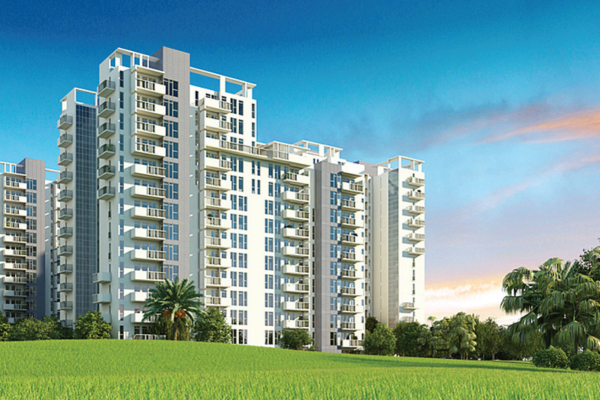
As real estate activity expands beyond established metropolitan centres, emerging cities and developing urban corridors are attracting homebuyers seeking relatively affordable properties and long-term growth opportunities. However, industry experts caution that lower prices do not necessarily translate into sound investments. Infrastructure readiness, access to employment hubs, developer credentials and neighbourhood liveability can significantly influence a property's long-term value.
Harvinder Singh Sikka, chairman of Sikka Group, said buyers should assess connectivity to workplaces, educational institutions, healthcare facilities and commercial centres. While proposed infrastructure can support future growth, he advised buyers to distinguish between operational facilities and projects that remain under construction or at the planning stage. Investment decisions should be based on verified timelines and existing accessibility rather than anticipated improvements alone.
Developer credibility is another important consideration, particularly in emerging markets where several residential projects may be launched simultaneously. Buyers should examine a developer's delivery record, construction quality, financial credibility and ability to maintain projects after possession. They should also verify registration with the relevant state real estate regulatory authority, applicable approvals, land title documents and sale agreement terms.
Yash Miglani, managing director of Migsun Group, said an attractive price should not be the sole basis for selecting a property. He highlighted the importance of checking previous project deliveries, legal approvals, construction standards and documentation transparency to reduce risks and provide greater clarity about the investment.
The availability of social infrastructure also influences a property's suitability for residential use. Schools, hospitals, retail centres, grocery stores, parks and recreational facilities can improve everyday convenience and reduce dependence on long commutes. In developing locations, however, such amenities may take time to become established, even when large residential projects are already underway.
Sunil Goel, managing director of Numax City, said homebuyers were increasingly evaluating the wider residential ecosystem rather than considering an apartment or plot in isolation. Access to healthcare, education, shopping facilities, green spaces and daily necessities can affect both the living experience and a property's long-term appeal. Established social infrastructure may also support rental demand and resale prospects.
Buyers should additionally assess the area's long-term development potential, including employment opportunities, commercial activity, civic infrastructure and urban planning. Reliable water supply, electricity, sewage, drainage and waste management are essential considerations. Recurring expenses such as maintenance charges, property taxes and financing costs should also form part of the purchase decision.
Manoj Kumar Garg, chairman of Northwind Estates, said emerging markets should be evaluated on long-term usability and sustainable demand. He cautioned against relying solely on projected appreciation, as delayed infrastructure projects or excess housing supply could affect price growth.
Ultimately, homebuyers need to balance affordability with legal compliance, infrastructure readiness and liveability. A property's long-term value depends not only on its purchase price but also on the quality of life it offers and the strength of the surrounding urban ecosystem.

17th Nov, 2026

17th Nov, 2026


17th Nov, 2026




17th Nov, 2026


17th Nov, 2026
Advertisement








 Facebook
 Whatsapp

