Advertisement






The Gulf conflict has disrupted global supply chains, pushed...
REITs have changed the way commercial real estate is owned a...
What really powers the cloud? Behind every Google search, A...
What really powers the cloud? Behind every Google search, A...
Luxury real estate is one of the most talked-about segments ...
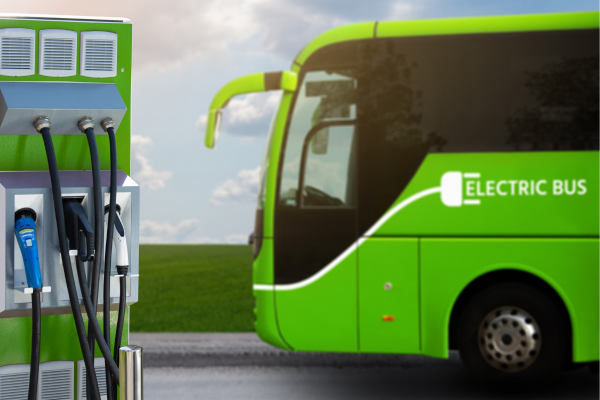
Rajasthan has secured approval for 1,150 electric buses across nine cities under the PM e-Bus Sewa scheme, according to a state government press release dated 24 October 2026. The allocation covers Jaipur, Jodhpur, Ajmer, Kota, Bikaner, Bhilwara, Alwar, Udaipur and Sikar. The state has received 250 e-buses so far, with further deliveries and deployment in progress. Alongside fleet expansion, the government is developing depot facilities, charging infrastructure and other arrangements required for regular operations.
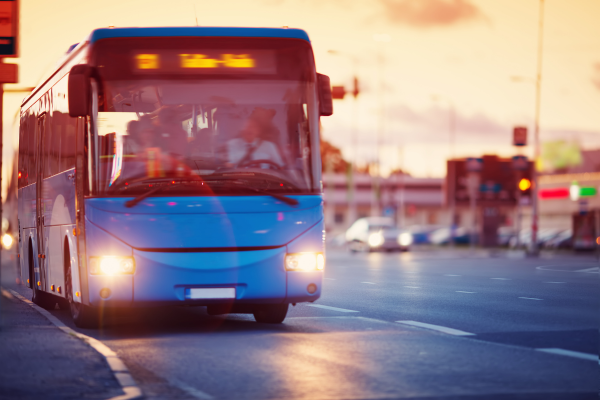
Rajasthan has received approval for 1,150 electric buses across nine cities under the PM e-Bus Sewa scheme, as the state government seeks to expand access to cleaner and more accessible public transport. According to a government press release dated 24 October 2026, the allocation has increased from the initial approval of 675 electric buses for eight cities following additional approvals for the state.
The approved fleet will be distributed across Jaipur, Jodhpur, Ajmer, Kota, Bikaner, Bhilwara, Alwar, Udaipur and Sikar. Jaipur has been allocated 550 buses, the largest share, followed by Jodhpur with 125. Ajmer and Kota will receive 100 buses each, while Bikaner has been allocated 75. Bhilwara, Alwar, Udaipur and Sikar will receive 50 buses each.
The state has received 250 electric buses so far. Jaipur has received 103 buses, according to the release. The government is also working towards receiving another 450 electric buses and 50 double-decker electric buses. The additional vehicles are expected to expand the availability of public transport as the state continues to develop the infrastructure needed to support their operation.
The electric buses are intended to provide affordable and comfortable travel for a range of passengers, including senior citizens, students and persons with disabilities. The proposed features include closed-circuit television cameras, panic buttons and safety equipment. These facilities are aimed at improving passenger security and making public transport more accessible.
Alongside vehicle procurement, the government is focusing on depot development and charging facilities. The release states that arrangements for depots, charging stations, electricity connections and operational requirements are being strengthened to support the fleet. In Jaipur, land has been allocated for depot infrastructure at locations including Bagrana, Todi Mod and Sanganer. The facilities are intended to support the parking, charging and routine operation of electric buses.
The state is also pursuing the development of charging infrastructure beyond the initial bus deployment. According to the release, the government has approved more than INR 60 crore for developing electric-bus depots and more than INR 53 crore for charging infrastructure. These investments are intended to create the supporting network required for regular bus services rather than limiting the programme to vehicle procurement alone.
The expansion under PM e-Bus Sewa forms part of Rajasthan’s efforts to improve urban public transport while promoting cleaner mobility. The pace at which the approved fleet becomes operational will depend on vehicle deliveries, depot readiness, charging infrastructure and the completion of operational arrangements across the nine cities.
Source: Rajasthan government CMO
13th Nov, 2026

13th Nov, 2026
11th Nov, 2026

11th Nov, 2026

10th Nov, 2026

10th Nov, 2026

9th Nov, 2026
9th Nov, 2026
Advertisement









 Facebook
 Whatsapp

