Advertisement






The Gulf conflict has disrupted global supply chains, pushed...
REITs have changed the way commercial real estate is owned a...
What really powers the cloud? Behind every Google search, A...
What really powers the cloud? Behind every Google search, A...
Luxury real estate is one of the most talked-about segments ...
West Bengal is set to see fresh industrial investment as Jai Balaji Group lines up about INR 6,000 crore for new manufacturing over the coming years. The Kolkata-based steelmaker wants to move beyond regular steel into defence-grade alloys, aerospace and railway components, copper and aluminium alloys, castings and forgings. It also plans to put money into solar and green power for its plants. The group expects the plan to add more than 20,000 jobs. The proposal comes as the state’s BJP government rolls out a new industrial policy to win back investors.
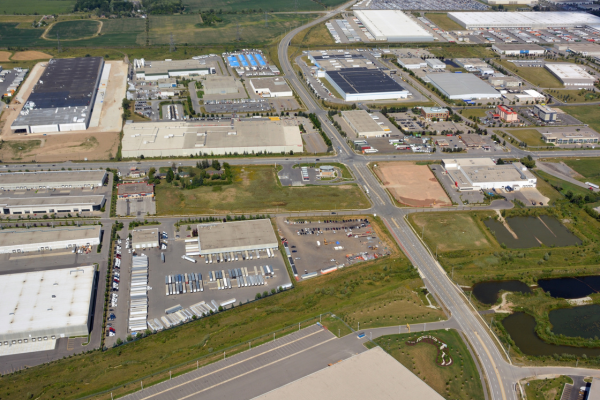
Jai Balaji Group has proposed an investment of around INR 6,000 crore in West Bengal over the coming years. The money will go into specialised steel, defence, aerospace, precision engineering and renewable energy. The group said in a statement earlier this week that the expansion is expected to create more than 20,000 additional jobs.
Under the plan, the group will make specialised alloy and high-grade steel for defence use, along with high-precision materials and components for the railway and aerospace industries. It will also produce specialised copper and aluminium alloys, steel castings and forgings.
The group also plans to grow its presence in precision engineering goods and downstream products. These will serve the railways, defence, automobile, space and other engineering sectors.
Alongside this, Jai Balaji will invest in solar and green power generation to run its factories. The company said this will help improve energy efficiency and cut its carbon footprint. Its existing integrated set-up already has captive power capacity of around 100 MW. Some of these units generate power from waste heat and solid industrial waste.
According to the statement, the proposal comes at a time when the West Bengal government is focusing on industrial growth and trying to attract new investment through upcoming industrial policy measures. The group said its plans show confidence in the state’s industrial potential and the business climate being promoted by the new government. The Suvendu Adhikari-led government assumed office on May 9. The state cabinet cleared the draft of a new industrial policy aimed at attracting investment, removing bureaucratic hurdles and creating jobs, with the chief minister scheduled to unveil it at Nabanna on the same day as the group’s announcement. The policy is expected to propose power tariff concessions for heavy and food-processing industries and may have the government cover half the interest on bank loans for industrial projects for 10 years. The previous Trinamool Congress government had withdrawn all industrial incentives in 2025, which upset industrialists.
Founded by the Jajodia family, Jai Balaji Group has a four-generation history in steel and manufacturing. It runs 10 manufacturing facilities across West Bengal, Odisha and Chhattisgarh, of which eight are in West Bengal. The group currently supports more than 25,000 livelihoods, directly and indirectly.
This is not the group’s first large plan for the state. Its flagship firm, Jai Balaji Industries, had earlier signed a memorandum of agreement with the West Bengal government to set up a 5 million tonne integrated steel plant, a 3 million tonne cement plant and a 1,215 MW captive power plant in Purulia district at a cost of INR 16,000 crore. The company later ran into trouble linked to coal block deallocation and the 5 MTPA greenfield expansion, and defaulted in 2011-12. More recently, it planned an INR 1,000 crore investment in Durgapur for value-added steel capacity and cost-saving projects, aimed at raising the share of value-added products to 80% from 55%.
The real test for this proposal will be how quickly it moves from paper to the factory floor. Defence and aerospace supplies need strict quality approvals and long qualification cycles, so returns may take time. The group’s past experience, where a much larger Purulia plan stalled and pushed it into debt trouble, suggests a phased, carefully funded rollout is likely this time. Much will also depend on how the state’s new incentives on land, power and loans work in practice, and whether other steel and engineering firms follow with similar commitments.
Source PTI
17th Nov, 2026

16th Nov, 2026
16th Nov, 2026



12th Nov, 2026

12th Nov, 2026
10th Nov, 2026

10th Nov, 2026
10th Nov, 2026
Advertisement








 Facebook
 Whatsapp

