Advertisement






The Gulf conflict has disrupted global supply chains, pushed...
REITs have changed the way commercial real estate is owned a...
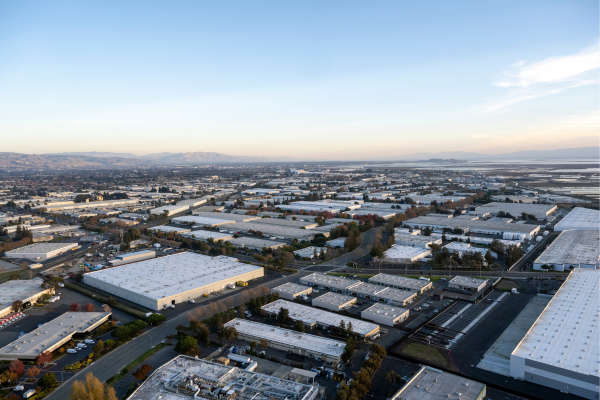
What really powers the cloud? Behind every Google search, A...
What really powers the cloud? Behind every Google search, A...
Luxury real estate is one of the most talked-about segments ...
The completion deadline for the 12.75-km Aroor-Thuravoor six-lane elevated highway in Kerala has been extended from December 2026 to March 2027, with around 94 per cent of the work completed. The National Highways Authority of India (NHAI) is expected to begin load testing on the elevated stretch next week. The remaining work includes an approach road at Aroor and three entry and exit ramps. A design modification at the Thuravoor end, involving an additional 150 metres of elevated structure, has contributed to the revised timeline.

The completion of the Aroor-Thuravoor six-lane elevated highway in Kerala has been postponed to March 2027, extending the deadline beyond the earlier December 2026 target. The 12.75-km corridor, being developed as part of the National Highway 66 expansion, has reached approximately 94 per cent completion. Once operational, it is set to become the country's longest single-pillar elevated highway. The National Highways Authority of India (NHAI) is preparing to begin load testing on the elevated section next week, as major construction activities approach completion.
According to an NHAI official, the remaining work includes constructing the approach road on the Aroor side and completing three entry and exit ramps at Aroor, Eramalloor and Thuravoor. These connections are required to integrate the elevated corridor with the existing road network and allow vehicles to enter and exit at designated locations. Load testing will assess the structure's performance under specified loading conditions before it is opened to traffic. Although most of the elevated section has been completed, the remaining access infrastructure and testing procedures are necessary stages before the highway can be commissioned.
A key reason for the revised deadline is a change to the design at the Thuravoor end. Authorities decided to extend the elevated structure beyond the congested Thuravoor Junction up to the Thuravoor temple to reduce the possibility of traffic bottlenecks. The revised arrangement involves adding six spans, covering approximately 150 metres. The earlier plan included a solid wall and an exit ramp directly at the junction, which officials considered likely to worsen congestion. KCC Buildcon, the contractor handling the adjacent Thuravoor-Paravoor stretch, is executing the additional extension, which is expected to require another three to four months.
The project will also feature Kerala's first multi-lane free-flow (MLFF) tolling system at Eramalloor. Unlike conventional toll plazas, the system will not require physical booths or barriers. An overhead gantry will identify vehicles and automatically deduct the applicable toll from their linked FASTag accounts, allowing traffic to pass without stopping at a toll point. Officials have clarified that vehicles travelling from the Kumbalam side will be charged separately at Eramalloor even if they have already paid toll at Kumbalam, as the elevated corridor will operate as a standalone high-speed facility. NHAI is also considering the system for future toll points along NH-66.
The revised completion schedule means commuters travelling between Kochi and Alappuzha will have to wait longer for the elevated corridor to become operational. The extension at Thuravoor is intended to improve traffic movement at a busy junction, while the additional ramps will provide access to the elevated road at multiple locations. NHAI's upcoming load testing will mark an important stage in the project's final assessment, although the approach road, ramps and additional spans must also be completed. The highway's opening will therefore depend on the completion of these remaining works and the necessary inspections.



14th Nov, 2026
14th Nov, 2026

13th Nov, 2026





12th Nov, 2026
Advertisement









 Facebook
 Whatsapp

