Advertisement






The Gulf conflict has disrupted global supply chains, pushed...
REITs have changed the way commercial real estate is owned a...
What really powers the cloud? Behind every Google search, A...
What really powers the cloud? Behind every Google search, A...
Luxury real estate is one of the most talked-about segments ...
Global gold demand declined by 1% year-on-year to 1,369 tonnes in the third quarter of 2026, even as its value increased by 22% to USD 188 billion, supported by an average gold price of USD 4,262 per ounce. The World Gold Council’s Q3 Gold Demand Trends report recorded stronger purchases by central banks and renewed inflows into physically backed gold exchange-traded funds (ETFs). Central banks added 321 tonnes to reserves, while ETFs recorded inflows of 211 tonnes, taking holdings to a record 4,256 tonnes. In contrast, jewellery demand fell 17% and bar-and-coin demand declined 19% amid elevated prices. Technology demand increased by 3%, supported by growth in electronics manufacturing linked to artificial intelligence.
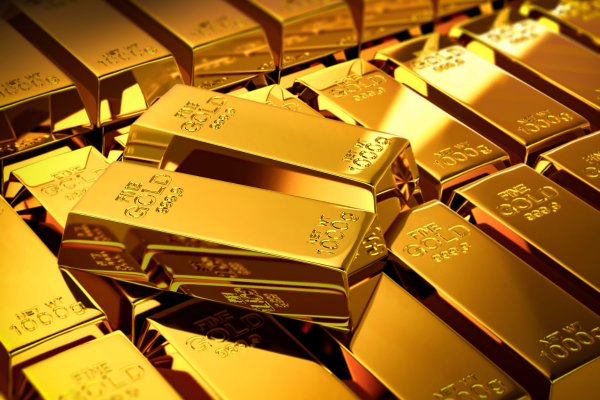
Global gold demand declined marginally by 1% year-on-year to 1,369 tonnes in the third quarter of 2026, as central bank purchases and renewed investment in gold exchange-traded funds (ETFs) supported the market amid weaker jewellery and retail investment demand. According to the World Gold Council’s Q3 2026 Gold Demand Trends report, the average gold price during the quarter was USD 4,262 per ounce, while the value of total demand increased by 22% year-on-year to USD 188 billion.
Central banks and other official institutions purchased a net 321 tonnes of gold during the quarter, marking a 42% increase compared with the corresponding period last year. This was the highest quarterly total since the fourth quarter of 2024. The purchases were primarily driven by portfolio diversification and risk management. Cumulative central bank purchases for the first nine months of 2026 reached 675 tonnes, 6% higher than in the same period of 2025.
Physically backed gold ETFs also returned to net inflows during Q3, reversing the outflows recorded in the previous quarter. The funds added 211 tonnes during the period, only 6% below the strong inflows recorded in Q3 2025. Total ETF holdings consequently reached a record 4,256 tonnes. Over-the-counter (OTC) and other investment demand increased to 143 tonnes from 101 tonnes a year earlier, although it remained below the elevated levels recorded earlier in 2026.
Retail investment demand was comparatively weaker. Global bar-and-coin demand declined by 19% year-on-year to 268 tonnes, as individual investors remained cautious amid uncertainty over the direction of gold prices. China was an exception, recording a 7% increase in demand compared with the third quarter of 2025.
Jewellery demand continued to face pressure from high gold prices, falling 17% year-on-year to 313 tonnes. This was the weakest third-quarter figure in the World Gold Council’s data series. Consumers increasingly shifted towards lighter and lower-carat jewellery pieces in response to elevated prices. Despite the decline in volumes, the value of global jewellery demand edged higher to USD 43 billion.
Technology-related gold demand increased by 3% year-on-year to 85 tonnes, its highest quarterly level since Q4 2021. Demand from the electronics sector rose by 5% to 72 tonnes, supported by manufacturing activity linked to artificial intelligence.
On the supply side, total gold supply declined by 1% year-on-year to 1,369 tonnes. Mine production increased by 3% to a third-quarter record of 1,071 tonnes. However, recycling fell by 8% to 314 tonnes despite higher gold prices, reaching its lowest level since the fourth quarter of 2023.
Louise Street, Senior Markets Analyst at the World Gold Council, described Q3 demand as mixed, with ETF inflows and continued central bank purchases supporting the market, while retail investors remained cautious amid uncertainty over the price outlook. She attributed institutional interest partly to geopolitical risks and concerns over fiscal discipline.
Looking ahead, Street said the gold market outlook remained balanced towards the end of 2026. Rising interest rates and mixed inflation expectations could weigh on demand, while geopolitical risks and financial market stress could encourage investors to seek stability through gold.
The Q3 2026 Gold Demand Trends report, which includes data provided by Metals Focus, covers investment, jewellery, technology and official-sector demand, alongside global gold supply trends.

17th Nov, 2026

17th Nov, 2026


17th Nov, 2026




17th Nov, 2026


17th Nov, 2026
Advertisement









 Facebook
 Whatsapp

