Advertisement






The Gulf conflict has disrupted global supply chains, pushed...
REITs have changed the way commercial real estate is owned a...
What really powers the cloud? Behind every Google search, A...
What really powers the cloud? Behind every Google search, A...
Luxury real estate is one of the most talked-about segments ...
NHPC and Essar Power's renewable energy arm will jointly develop a 300 MW renewable energy project in southern Andhra Pradesh, involving an investment of approximately INR 45 billion (US$475 million) by the parent company. The project will combine solar and wind generation with battery energy storage systems to supply renewable electricity. The partnership adds to NHPC's expansion in solar and wind energy and supports Essar Power's plan to build a diversified 5 GW generation portfolio. The development also aligns with India's broader renewable energy expansion and grid reliability objectives.
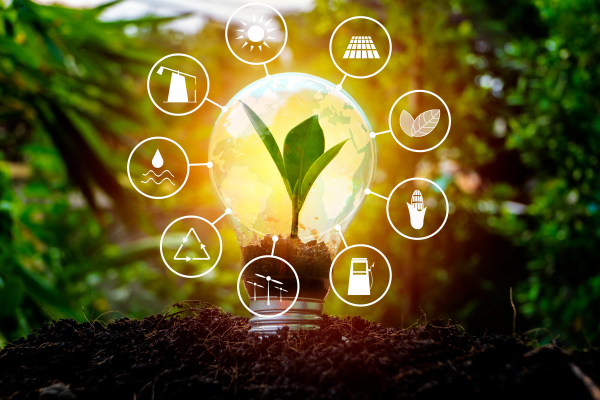
NHPC and Essar Power's renewable energy unit will develop a 300 MW integrated renewable energy project in southern Andhra Pradesh, with Essar Power planning to invest approximately INR 45 billion (US$475 million) in the development. The project will combine solar and wind power generation with battery energy storage systems to provide renewable electricity. The partnership brings together a major public sector hydropower producer and a private sector energy group as both companies expand their presence in India's changing electricity generation market.
The proposed project will integrate multiple renewable energy sources rather than rely on a single generation technology. Solar and wind installations will be supported by battery energy storage systems, which can help manage variations in electricity generation and improve the availability of power. Solar output is concentrated during daylight hours, while wind generation depends on prevailing weather conditions. Combining the two sources with storage can help balance supply and support the delivery of renewable electricity across different periods. However, the companies have not disclosed the project's precise location, construction schedule, commissioning timeline or the proposed storage capacity.
For NHPC, the partnership forms part of its wider expansion beyond conventional hydropower into solar and wind energy. India's largest hydropower producer has been increasing its participation in renewable energy projects as the country's electricity demand rises and generation capacity becomes more diversified. Hydropower provides flexibility within the electricity system, while solar, wind and battery storage offer additional options for expanding non-fossil fuel generation. The collaboration in Andhra Pradesh would add an integrated renewable energy project to NHPC's expanding portfolio, although the company has not disclosed its specific investment contribution or ownership structure for this development.
The project also supports Essar Power's strategy to develop a diversified generation portfolio of 5 GW across renewable, thermal and gas-based power. The proposed INR 45 billion investment represents a significant commitment towards the company's renewable energy plans. By combining solar and wind capacity with battery storage, the project is intended to address some of the operational challenges associated with variable renewable generation. The development also reflects the growing role of energy storage in large-scale renewable projects, particularly as power producers seek to supply electricity more consistently while increasing the share of intermittent generation sources.
At the national level, the proposed development comes amid India's efforts to expand renewable energy capacity and strengthen grid reliability to meet rising electricity consumption. The country has set a target of achieving 500 GW of renewable energy capacity by 2030. Meeting this objective will require continued investment in generation projects, transmission infrastructure and energy storage systems. Integrated projects combining solar, wind and batteries are expected to contribute to this transition by diversifying generation sources and helping manage fluctuations in supply. The Andhra Pradesh project adds to this investment pipeline, although its contribution to the national target will depend on its eventual commissioning and operational capacity.
Source Reuters


17th Nov, 2026

16th Nov, 2026

15th Nov, 2026


15th Nov, 2026
15th Nov, 2026


Advertisement








 Facebook
 Whatsapp

