Advertisement






The Gulf conflict has disrupted global supply chains, pushed...
REITs have changed the way commercial real estate is owned a...
What really powers the cloud? Behind every Google search, A...
What really powers the cloud? Behind every Google search, A...
Luxury real estate is one of the most talked-about segments ...
Ghana has secured Russia’s support for developing a proposed 2,000-megawatt nuclear power plant following discussions at the Russia-Africa Summit, Foreign Minister Samuel Okudzeto Ablakwa said on October 31. The project is intended to strengthen the country’s energy security and support industrialisation. The announcement followed a statement by Russia’s state nuclear corporation Rosatom that it was discussing large nuclear power projects with four African countries, including Ghana. The two governments also agreed to expand cooperation in defence, agriculture and education.
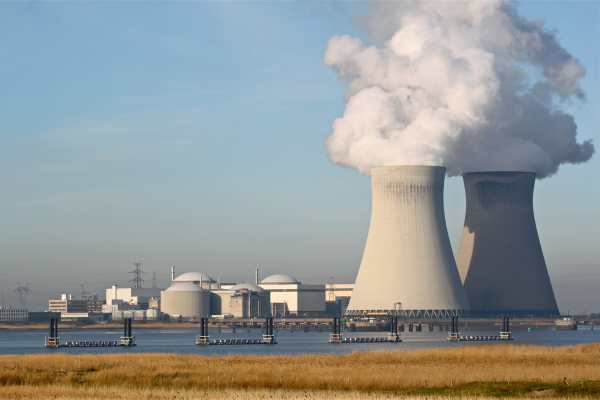
Ghana has said Russia will work with it to develop a proposed 2,000-megawatt nuclear power plant, following discussions between officials from the two countries at the Russia-Africa Summit. Ghanaian Foreign Minister Samuel Okudzeto Ablakwa announced the agreement on October 31 in a statement posted on X.
Ablakwa said the proposed project was intended to strengthen Ghana’s energy security and support industrialisation. The announcement did not provide details on the proposed plant’s location, construction schedule, financing arrangements or the expected timeline for commissioning.
The development comes as Ghana explores nuclear power as part of its efforts to diversify electricity generation and meet future energy requirements. A plant with a proposed capacity of 2,000 MW would represent a major addition to the country’s electricity infrastructure. However, the announcement of cooperation does not in itself establish that construction has been approved or that a final investment decision has been taken.
The announcement followed a statement by Russia’s state nuclear corporation Rosatom, which said on October 30 that it was in discussions with four African countries, including Ghana, on large-scale nuclear power projects. The discussions indicate Russia’s interest in expanding its nuclear energy partnerships across the continent.
The Russia-Africa Summit, first held in 2019, provides a platform for Moscow to develop economic and diplomatic ties with African governments. Energy cooperation, including nuclear power, has been one of the areas through which Russia has sought to expand its engagement with the region.
Alongside the proposed nuclear project, Ghana and Russia agreed to deepen defence cooperation through a new pact covering assets for Ghana’s military, according to Ablakwa. The foreign minister also said Russian President Vladimir Putin had ruled out the participation of Ghanaians in Russia’s war in Ukraine, including through irregular recruitment or voluntary enlistment.
The two countries also discussed cooperation in agriculture and education. Russia agreed to support Ghana’s agriculture sector and increase scholarship opportunities for Ghanaian students seeking to study in the country. The announcement did not specify the number of additional scholarships or the areas of agricultural support.
The agreements indicate a broader effort by both governments to expand bilateral cooperation beyond energy. For Ghana, the proposed nuclear project forms part of its engagement with an international partner as it considers options for strengthening long-term electricity supply. For Russia, the discussions offer an opportunity to expand its presence in Africa’s energy and infrastructure sectors.
Further details on the nuclear project, including its financing, technology, regulatory approvals and implementation arrangements, are yet to be announced. The next steps will determine how the proposed cooperation progresses towards a formal project.
Source- Reuters
8th Nov, 2026

31st Mar, 2026



11th Jul, 2025

5th Mar, 2025


Advertisement








 Facebook
 Whatsapp

