Advertisement






The Gulf conflict has disrupted global supply chains, pushed...
REITs have changed the way commercial real estate is owned a...
What really powers the cloud? Behind every Google search, A...
What really powers the cloud? Behind every Google search, A...
Luxury real estate is one of the most talked-about segments ...
The Greater Bengaluru Authority (GBA) is targeting completion of the remaining work on a INR 5 crore stormwater drain upgrade at Silk Board Junction within the next three months, ahead of the next monsoon. The World Bank-funded project is approximately 25 per cent complete and involves constructing a 60-metre-long drain designed to carry nearly three times the water volume handled by the existing system. The upgrade aims to address recurring flooding at the junction, although officials have flagged concerns about the capacity of downstream drains.
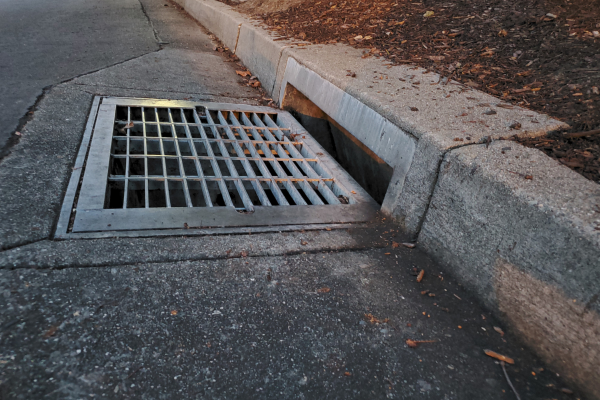
The Greater Bengaluru Authority (GBA) is accelerating work on a stormwater drainage upgrade at Bengaluru's Central Silk Board Junction, with a target to complete the remaining construction within the next three months. The project is intended to improve the area's ability to handle heavy rainfall and reduce the waterlogging that frequently disrupts traffic around the junction.
According to a report by The Times of India published on October 31, approximately 25 per cent of the work has been completed so far. The World Bank-funded project involves an investment of INR 5 crore and the construction of a 60-metre-long stormwater drain. Once completed, the upgraded infrastructure is expected to carry nearly three times the volume of water handled by the existing drainage system.
The proposed changes involve a substantial increase in the dimensions of the central drain. The existing structure is approximately 25 feet wide and 2.5 feet deep. Under the upgrade, its width will be increased to nearly 50 feet, while its depth will be raised to around three metres. The additional capacity is intended to improve the movement of rainwater through the junction during periods of intense rainfall.
However, the expansion has also raised concerns about drainage capacity beyond Silk Board. During a field inspection on Saturday, Bengaluru Development Minister Krishna Byre Gowda was informed that increasing the carrying capacity at the junction could transfer larger volumes of water into downstream stretches. Parts of HSR Layout and the Outer Ring Road have drains with lower carrying capacities, potentially creating new flooding points during heavy rainfall.
To address this concern, the minister directed officials of B-SMILE to examine whether drainage-capacity enhancement works along the HSR Layout and Outer Ring Road stretches could be incorporated into the ongoing INR 400 crore Outer Ring Road redevelopment project. The move would seek to ensure that improvements at Silk Board are supported by adequate downstream infrastructure.
Progress on the current drain upgrade has also been affected by Namma Metro construction. GBA officials said work at certain locations had been paused to avoid interference with Metro-related activities, which are being prioritised. Meanwhile, officials are attempting to prevent flooding by keeping existing drains clear of blockages until the remaining construction is completed.
The drainage works form part of wider improvement efforts at Silk Board Junction. During the inspection, Byre Gowda also directed officials to explore installing a steel grid over a section of the stormwater drain to facilitate a free-left turn for vehicles travelling from Electronic City towards BTM Layout. A pedestrian walkway alongside the drain was also proposed, although officials clarified that covering the drain and creating a walkway were not part of the original project design and would require further examination.
The junction has repeatedly experienced waterlogging during heavy rainfall, resulting in traffic congestion and disruption for commuters. The completion of the drain upgrade, along with improvements to downstream infrastructure, will be important in determining whether the area can manage increased rainwater flows before the next monsoon.


16th Nov, 2026

13th Nov, 2026



12th Nov, 2026



Advertisement








 Facebook
 Whatsapp

