Advertisement






The Gulf conflict has disrupted global supply chains, pushed...
REITs have changed the way commercial real estate is owned a...
What really powers the cloud? Behind every Google search, A...
What really powers the cloud? Behind every Google search, A...
Luxury real estate is one of the most talked-about segments ...
Modhera in Gujarat’s Mehsana district is extending its solar-powered village initiative to transport, with residents adopting electric vehicles and a solar-powered charging station operating near the Sun Temple. The development is part of Solar Village Modhera 2.0, building on a 6 MW ground-mounted solar plant, a 15 MWh battery energy storage system and rooftop installations across the village. Officials say solar-powered charging can help residents reduce petrol and diesel expenses and emissions, while supporting daily travel and small-business activities in the village.
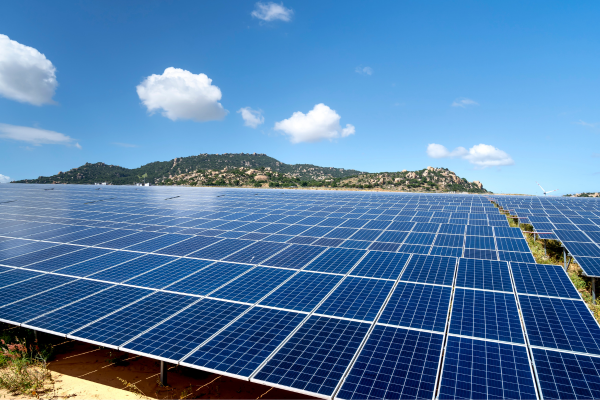
Modhera in Gujarat’s Mehsana district is extending its solar-powered village initiative into transport, with residents adopting electric vehicles (EVs) and a solar-powered charging station established near the Sun Temple.
The development is part of Solar Village Modhera 2.0, which seeks to expand the use of renewable energy beyond household electricity and connect local power generation with everyday mobility. The charging station draws electricity from the ground-mounted solar power plant, allowing EV users to charge vehicles using solar-generated power.
Dilip Kumar, deputy engineer at Gujarat Urja Vikas Nigam Limited (GUVNL), said the facility could help residents reduce spending on petrol and diesel while lowering carbon emissions. The charging station adds a transport-related use to the village’s existing solar infrastructure.
Modhera was declared India’s first 24x7 solar-powered village in October 2022. The original solarisation project combined a 6 MW ground-mounted solar power plant with more than 1,300 rooftop solar systems installed on residential and government buildings. The infrastructure was integrated with a 15 megawatt-hour (MWh) battery energy storage system, supporting the use of solar power beyond daylight hours.
The village’s shift towards electric mobility builds on that investment. Electric bikes and scooters are becoming part of local travel, particularly for residents who rely on two-wheelers for commuting and small-business activities. Lower dependence on petrol and diesel can help reduce day-to-day travel costs, although actual savings depend on vehicle use, charging needs and maintenance costs.
Residents have also reported using solar-generated electricity for household appliances, including televisions, refrigerators, air conditioners, washing machines and flour mills. The initiative is therefore extending clean-energy use across domestic and mobility needs rather than limiting it to electricity generation alone.
The model links three elements: renewable electricity generation, battery storage and EV charging. While the solar plant and storage system provide the underlying energy infrastructure, charging access is necessary for residents to use electric vehicles in routine travel. The facility connects the village’s solar infrastructure with local transport requirements.
The expansion comes as rural areas explore ways to reduce transport fuel costs and use renewable energy in daily activities. Two-wheelers are particularly relevant in villages, where residents may travel between homes, local markets and workplaces, or use vehicles to support small enterprises. A charging point supplied by solar power offers an alternative to relying solely on electricity from the conventional grid, although the project’s broader impact will depend on charging access, reliability and the pace of EV adoption.
Solar Village Modhera 2.0 demonstrates how an existing clean-energy project can be extended from household electricity to local transport. It also offers a model that other rural communities could assess according to their energy resources, mobility patterns and infrastructure needs. Any wider replication would require suitable renewable generation, storage capacity, charging facilities and ongoing maintenance. The initiative represents a further step in Modhera’s solarisation programme, with the next phase focused on integrating clean power into more aspects of everyday life.


14th Nov, 2026

14th Nov, 2026

14th Nov, 2026

13th Nov, 2026


13th Nov, 2026


13th Nov, 2026
Advertisement








 Facebook
 Whatsapp

