Advertisement






The Gulf conflict has disrupted global supply chains, pushed...
REITs have changed the way commercial real estate is owned a...
What really powers the cloud? Behind every Google search, A...
What really powers the cloud? Behind every Google search, A...
Luxury real estate is one of the most talked-about segments ...
Chandigarh is set to procure 328 additional electric buses under the PM e-Bus Sewa Scheme, with deliveries expected to begin in March 2027 and the full consignment likely to arrive by June or July. The new buses will support the Chandigarh Transport Undertaking’s transition towards electric public transport as 170 diesel buses on local and suburban routes approach the end of their 15-year service life. Once deployed, the new vehicles are expected to take the electric bus fleet on local routes to 508, strengthening the city’s public transport capacity and reducing dependence on diesel-powered buses.
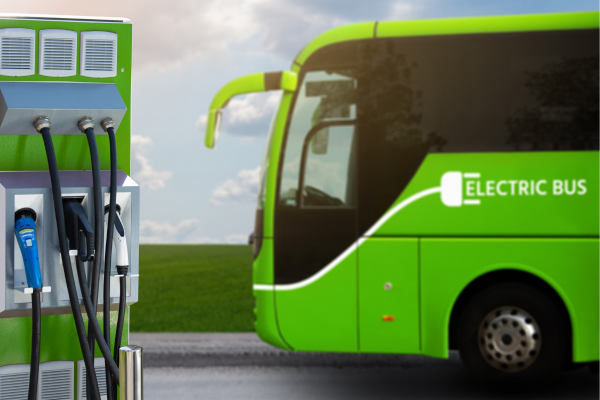
Chandigarh is moving ahead with the procurement of 328 electric buses under the PM e-Bus Sewa Scheme, with the Centre inviting bids for the supply of the vehicles. Deliveries are expected to begin in March 2027, while the entire consignment is likely to reach the city by June or July, according to the reported schedule. The procurement is part of the Chandigarh Administration’s plan to expand electric public transport and replace ageing diesel buses operating on local and suburban routes. The Chandigarh Transport Undertaking (CTU) is preparing to phase out 170 diesel buses that will complete their 15-year service life by the end of March 2027.
The new electric buses are expected to support the replacement process and increase the availability of cleaner public transport across Chandigarh and the wider Tricity area. Once the full batch is deployed, CTU’s electric fleet on local routes is projected to reach 508 buses. Chandigarh has been sanctioned a total of 428 electric buses under the central scheme, including 100 buses cleared earlier.
The procurement comes as the administration works towards shifting its local bus fleet from diesel to electric operations. The transition is expected to reduce dependence on conventional fuel-powered vehicles and support efforts to address emissions from urban transport. However, the replacement of diesel buses will depend on the timely arrival of the new vehicles and the availability of supporting infrastructure. Charging facilities and maintenance arrangements will be important to ensuring that the expanded electric fleet can operate reliably. The administration will need to align the deployment schedule with the withdrawal of ageing buses to maintain public transport services on local and suburban routes.
The PM e-Bus Sewa Scheme supports the deployment of electric buses for public transport authorities, with the broader objective of expanding urban bus services and encouraging cleaner mobility. Its implementation also involves arrangements for bus operations and supporting infrastructure, including charging facilities and depots.
For Chandigarh, the additional procurement follows earlier approvals for electric buses and ongoing efforts to expand the city’s public transport network. The 328-bus order is intended to address both fleet replacement and the wider shift towards electric mobility. The reported tender announcement does not specify the final supplier, procurement value or detailed technical specifications of the buses. The March 2027 delivery start is therefore a key milestone in the planned transition. The extent to which the new fleet improves service availability will depend on procurement outcomes, delivery timelines, charging infrastructure and the phased removal of diesel buses from operation.
17th Nov, 2026


9th Nov, 2026
2nd Nov, 2026
Advertisement









 Facebook
 Whatsapp

