Advertisement






The Gulf conflict has disrupted global supply chains, pushed...
REITs have changed the way commercial real estate is owned a...
What really powers the cloud? Behind every Google search, A...
What really powers the cloud? Behind every Google search, A...
Luxury real estate is one of the most talked-about segments ...
Mumbai’s Coastal Road recorded more than 80,000 traffic challans between September 2025 and September 2026, with penalties amounting to up to INR 11 crore, according to information obtained through a Right to Information (RTI) request. More than 30,000 challans were issued for speeding, highlighting continued violations on the high-speed corridor. The figures bring attention to traffic enforcement and road safety on the infrastructure project, which connects parts of south Mumbai and is intended to improve travel across the city’s western coastline.
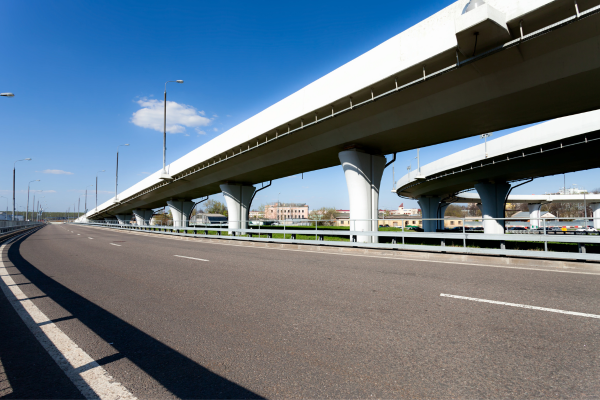
The RTI data showed that speeding accounted for a substantial share of the recorded violations, while more than 50,000 challans were issued for failure to follow traffic signs. Together, these categories accounted for the bulk of the penalties issued during the one-year period. The figures indicate that traffic authorities continue to face compliance challenges despite enforcement measures on the corridor.
Light motor vehicles, including cars, vans and jeeps, accounted for 29,727 challans, with penalties of up to INR 5.9 crore, according to the reported RTI response. The Coastal Road restricts access to certain vehicle categories, including two-wheelers, three-wheelers and medium and heavy motor vehicles. The reported violations therefore extend beyond speeding to include non-compliance with traffic regulations governing the road.
The issue has also raised concerns among residents living near the corridor. Residents have reported high-speed driving, particularly during late-night and early-morning hours, as well as noise from vehicles with modified exhaust systems. These concerns have added to calls for more effective enforcement and action against motorists who repeatedly violate traffic rules.
Surveillance infrastructure has emerged as another concern. Reports have indicated that between 60 and 65 cameras were affected after cables were stolen or cut, limiting monitoring at some locations along the road. The Brihanmumbai Municipal Corporation has been working to replace the damaged cables. The status of surveillance equipment is significant for monitoring traffic violations and supporting investigations when accidents occur.
The scale of the challans also raises questions about the effectiveness of penalties as a deterrent. Residents have suggested stronger action against repeat offenders, including suspension of driving licences. However, such suggestions should not be interpreted as an announced change in enforcement policy.
The number of challans issued does not, by itself, establish whether traffic behaviour has improved or how many penalties have been paid. A fuller assessment would require information on repeat offences, accident figures, enforcement coverage and the restoration of affected surveillance cameras.
The Coastal Road’s operation therefore involves more than maintaining traffic flow. Continued monitoring, enforcement of speed limits, compliance with traffic signs and maintenance of surveillance infrastructure remain important aspects of managing the corridor. The latest figures provide a measure of the enforcement workload facing traffic authorities as Mumbai continues to operate and expand its major transport infrastructure.

20th Oct, 2026

3rd Oct, 2026

28th Sep, 2026

24th Sep, 2026




4th Aug, 2026


Advertisement








 Facebook
 Whatsapp

