Advertisement






The Gulf conflict has disrupted global supply chains, pushed...
REITs have changed the way commercial real estate is owned a...
What really powers the cloud? Behind every Google search, A...
What really powers the cloud? Behind every Google search, A...
Luxury real estate is one of the most talked-about segments ...
Yes Bank is examining the Supreme Court's judgment upholding the Bombay High Court ruling against the write-off of INR 8,415 crore worth of Additional Tier-1 (AT-1) bonds in March 2020. The apex court dismissed appeals filed by Yes Bank, the Reserve Bank of India (RBI) and the Union government, holding that the bank's administrator lacked the authority to write off the bonds without a specific provision in the reconstruction scheme. Yes Bank said it is evaluating its legal options and may consider further capital-management measures to support its growth plans.
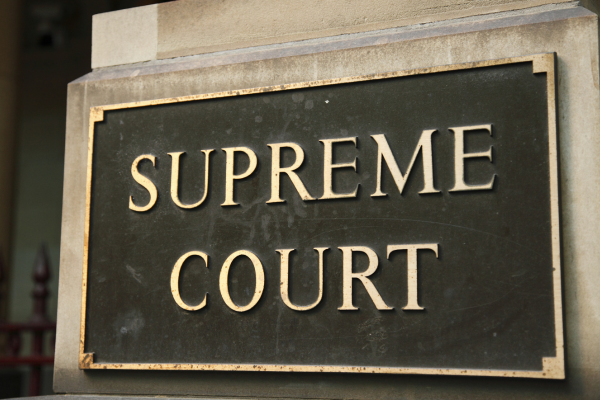
Yes Bank is reviewing the Supreme Court's judgment that upheld the Bombay High Court ruling against the write-off of Additional Tier-1 (AT-1) bonds worth INR 8,415 crore, which the bank undertook in March 2020 as part of its reconstruction. The lender said it is examining the judgment, evaluating available legal options and considering appropriate steps going forward.
In a regulatory filing on Friday, Yes Bank said it had access to various capital-management options and retained the flexibility to take additional capital-related measures, if required, to support its growth objectives. The bank also said it remained focused on strengthening its business and providing consistent services and support to customers across their banking needs.
The Supreme Court on Thursday dismissed appeals filed by Yes Bank, the Reserve Bank of India (RBI) and the Union government, thereby upholding the Bombay High Court's January 20, 2023, judgment in the matter.
The dispute concerns the write-off of INR 8,415 crore worth of AT-1 bonds in March 2020, when Yes Bank underwent reconstruction. The Bombay High Court had quashed the bank administrator's decision to write off the bonds, ruling that the administrator did not have the authority to take such a step under the reconstruction scheme.
However, the High Court had kept its ruling in abeyance to allow the RBI and Yes Bank to challenge the decision before the Supreme Court.
In its judgment, the Supreme Court observed that the administrator did not have the authority to write off the bonds because the final reconstruction scheme did not contain a specific provision permitting such action.
The bench also raised concerns about investors bearing the consequences of administrative lapses. It observed that the purpose of AT-1 bonds was to provide a layer of protection against a bank's collapse and that the objective could have been served if the RBI and Yes Bank had acted in accordance with the applicable master circular.
The court further noted that the RBI had allowed Yes Bank's Common Equity Tier 1 (CET1) capital ratio to fall to 0.6% while the bank's operations continued. It also referred to material irregularities in the bank's functioning that had been identified earlier and criminal prosecution initiated against some of its personnel. The bench said it would be unfair to place the burden of such administrative failures on investors.
AT-1 bonds are perpetual debt instruments issued by banks to strengthen their capital base. They carry higher risks than conventional bonds and generally offer higher interest rates. These instruments can absorb losses under specified conditions, and the RBI can require their cancellation when a bank faces financial distress.
The Supreme Court's ruling upholds the High Court's position that the authority to write off such bonds must be supported by the applicable reconstruction framework. Yes Bank's review of the judgment and its assessment of available legal options will determine its next steps in the matter.
The judgment highlights the importance of clearly defining the powers of bank administrators and the treatment of hybrid capital instruments during a financial reconstruction. For investors, the ruling also raises questions about the legal protections available when banks face severe financial stress. The immediate development to watch is Yes Bank's response after completing its review of the judgment. Any further legal or capital-related action will need to be assessed against the applicable regulatory framework and the terms governing the bank's reconstruction.
Source PTI

20th Oct, 2026

3rd Oct, 2026

28th Sep, 2026

24th Sep, 2026




4th Aug, 2026


Advertisement








 Facebook
 Whatsapp

