Advertisement






The Gulf conflict has disrupted global supply chains, pushed...
REITs have changed the way commercial real estate is owned a...
What really powers the cloud? Behind every Google search, A...
What really powers the cloud? Behind every Google search, A...
Luxury real estate is one of the most talked-about segments ...
West Bengal's labour department has directed real estate developers to ensure the availability of a doctor and an ambulance at construction sites employing 200 or more workers. The directive was communicated by state labour minister Arjun Singh during a meeting with representatives of the Confederation of Real Estate Developers' Associations of India (CREDAI). The department will conduct surprise inspections, and violations may lead to legal action by the directorate of factories. The requirement aims to strengthen emergency medical support for construction workers. Industry representatives have welcomed the measure, citing the need to protect workers' safety and well-being.
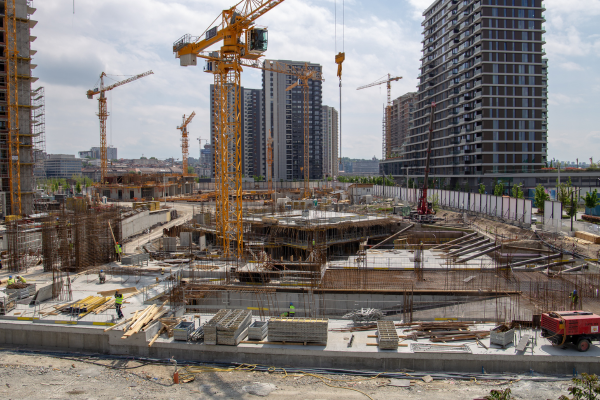
The West Bengal labour department has directed real estate developers to ensure that a doctor and an ambulance are available at construction sites employing 200 or more workers. The directive applies to construction projects across the state and is aimed at strengthening worker safety and ensuring timely medical assistance during emergencies.
State labour minister Arjun Singh communicated the government's position during a meeting with representatives of the Confederation of Real Estate Developers' Associations of India (CREDAI). He said the department would conduct surprise inspections at construction sites and take action under the law if violations were found.
The directorate of factories under the labour department has the authority to initiate legal action against developers who fail to comply with the requirements. The department has not specified a separate compliance deadline or detailed the penalties applicable to violations in the reported announcement.
The directive received support from representatives of the real estate industry. Siddharth Pansari, former president of CREDAI Bengal, Kolkata, said the sector had a collective responsibility to protect the safety, dignity and well-being of construction workers.
Rakesh Gupta, chairman of a real estate group, said the availability of a doctor and an ambulance at construction sites would help ensure immediate intervention in the event of an accident or other medical emergency.
The directive also brings attention to existing construction-site safety requirements under the Building and Other Construction Workers regulations. West Bengal's construction worker rules already contain provisions for medical facilities, ambulance rooms and ambulance vans, including arrangements for transporting workers who suffer serious accidents or illnesses to hospitals.
With the labour department planning surprise inspections, developers operating sites with 200 or more workers will need to ensure that the required medical and emergency transport arrangements are in place. The effectiveness of the directive will depend on its implementation and the department's enforcement of the requirements across construction projects.
The availability of immediate medical assistance can be particularly important at construction projects where workers operate around heavy machinery, elevated structures and other workplace hazards. The new directive places greater emphasis on emergency preparedness at sites employing 200 or more workers. The upcoming inspections will indicate how consistently the requirement is being followed across the state. For developers, maintaining medical support and emergency transport arrangements will be an important part of meeting the stated safety expectations and responding promptly when workers need treatment.

17th Nov, 2026

16th Nov, 2026

16th Nov, 2026



12th Nov, 2026

12th Nov, 2026

10th Nov, 2026

10th Nov, 2026

10th Nov, 2026
Advertisement








 Facebook
 Whatsapp

