Advertisement






The Gulf conflict has disrupted global supply chains, pushed...
REITs have changed the way commercial real estate is owned a...
What really powers the cloud? Behind every Google search, A...
What really powers the cloud? Behind every Google search, A...
Luxury real estate is one of the most talked-about segments ...
Mumbai’s office space demand is projected to grow at a compound annual growth rate (CAGR) of 12–15% between 2027 and 2030, according to the India Mid-Year Market Outlook FY2027, released by CII and CBRE. The forecast follows average annual office leasing of around 11.8 million sq. ft. between 2022 and 2026. Banking, financial services and insurance (BFSI) firms, technology companies and flexible workspace operators are expected to support demand, alongside improved transport connectivity and the development of suburban commercial hubs. Mumbai accounted for nearly 16% of India’s office inventory in the first half of 2026, with its total stock projected to increase 1.3 times by 2030. The report also forecasts growth across retail, residential, industrial and logistics real estate, as well as data centres.

Mumbai’s commercial real estate market is projected to enter a period of expansion, with office space demand expected to rise at a CAGR of 12–15% from 2027 to 2030, according to the India Mid-Year Market Outlook FY2027 released by CII and CBRE. The forecast builds on average annual office leasing of approximately 11.8 million sq. ft. recorded between 2022 and 2026, with business expansion, infrastructure improvements and the emergence of decentralised growth corridors identified as key drivers.
Office demand shifts towards connected suburban hubs
Mumbai represented nearly 16% of India’s total office inventory as of the first half of 2026. Its overall office stock is projected to expand 1.3 times by 2030, supported by demand from banking, financial services and insurance (BFSI) companies, technology enterprises and flexible workspace operators seeking modern commercial premises.
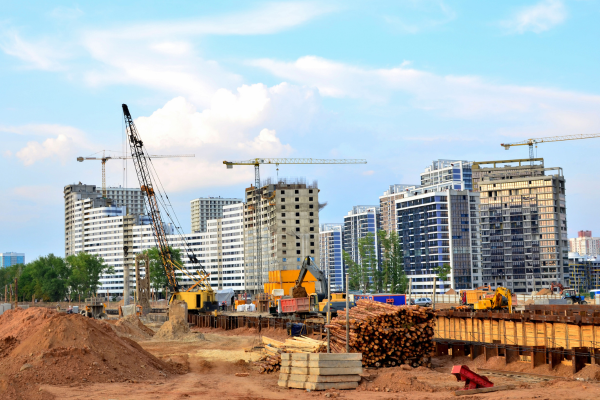
The expansion of metro services, road networks and airport access is contributing to a shift in activity beyond the city’s traditional central business districts. Connected suburban locations across the Mumbai Metropolitan Region (MMR) are emerging as options for businesses seeking accessibility and contemporary office facilities.
Shilpin Tater, managing director of Superb Realty, said the Eastern Suburbs, particularly Chembur, Ghatkopar and Vikhroli, were developing into commercial destinations. He noted that businesses were increasingly considering occupant well-being alongside location, with modern offices incorporating indoor air quality control, wellness features, energy-efficient systems and sustainable architecture. Improved connectivity along the Eastern corridor, he added, was strengthening the appeal of these micro-markets through their accessibility and office amenities.
Deepak Nair, head of marketing at JP Infra Mumbai Pvt Ltd, said the expansion of transit links had increased interest in peripheral locations such as Mira Road and the extended Western Suburbs. He said occupiers were looking for commercial infrastructure that combines affordability, connectivity and amenities. Grade-A offices with lifestyle facilities, collaborative spaces and technology integration were helping these locations develop as business hubs closer to employee catchments.
Established Western Suburbs retain demand
Shraddha Kedia-Agarwal, director of Transcon Developers, said established Western Suburbs such as Santacruz and Khar continued to attract demand, supported by premium redevelopment and boutique commercial projects. She said high-net-worth individuals, creative professionals and smaller firms were drawn to these areas for their proximity to business districts, urban infrastructure and lifestyle amenities.
She added that urban regeneration was supporting interest in locations along the western coastal and transit corridors, for both residential and commercial properties.
Retail, housing and data centres also set to expand
The report anticipates growth across other real estate segments through 2030. Retail is projected to record the fastest expansion, at a CAGR of 14–17%, supported by experiential formats, higher consumer spending and mixed-use developments around transit infrastructure.
Residential real estate is forecast to grow by 6–8% annually, with infrastructure-led corridors, redevelopment and slum rehabilitation initiatives contributing to activity.
Mumbai’s industrial and logistics demand is expected to increase at a CAGR of 5–8%. The city’s data centre capacity is projected to grow 2.1 times by 2030, when Mumbai is expected to account for nearly 68% of India’s total capacity.
The outlook points towards a more distributed pattern of real estate activity across the MMR by the end of the decade, with connected suburban corridors complementing established business districts as commercial, residential and infrastructure development continues.

20th Oct, 2026

3rd Oct, 2026

28th Sep, 2026
24th Sep, 2026



4th Aug, 2026


Advertisement








 Facebook
 Whatsapp

