Advertisement






The Gulf conflict has disrupted global supply chains, pushed...
REITs have changed the way commercial real estate is owned a...
What really powers the cloud? Behind every Google search, A...
What really powers the cloud? Behind every Google search, A...
Luxury real estate is one of the most talked-about segments ...
Bengaluru’s proposed double-decker infrastructure under Namma Metro Phase III could be significantly scaled down, with the planned road-and-Metro structure potentially reduced from 37 km to around 11 km. The revised approach would focus on major traffic bottlenecks rather than creating a continuous elevated road alongside the Metro. The proposal follows concerns raised by RITES and an IISc study regarding engineering complexity, economic viability, additional road capacity and its potential impact on Metro ridership. The revised plan is expected to be placed before the BMRCL Board for a final decision.
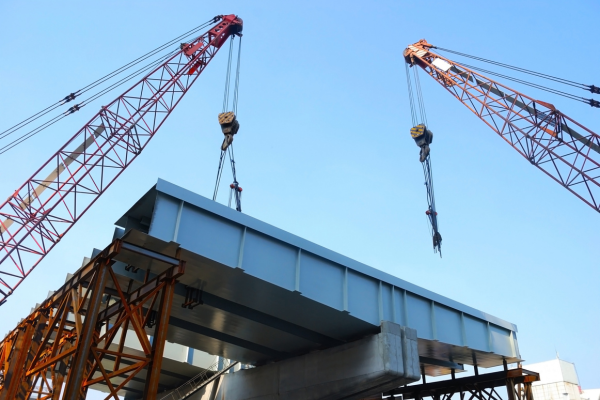
Bengaluru’s proposed double-decker road-and-Metro infrastructure under Namma Metro Phase III may be scaled down from the planned 37 km to around 11 km, with the revised proposal focusing on selected traffic bottlenecks instead of creating a continuous elevated road along the Metro corridors.
The proposal is expected to be placed before the Bangalore Metro Rail Corporation Ltd (BMRCL) Board for a final decision. The move follows recommendations from engineering consultancy RITES and concerns raised in a technical study by the Indian Institute of Science’s Sustainable Transportation Lab over the feasibility and wider impact of an end-to-end double-decker structure.
The original plan envisaged a road flyover at the lower level and the Metro viaduct above it along about 37 km of the Phase III alignment. The road component was estimated to cost around INR 9,700 crore and was proposed as an addition to the Metro project. The 45-km Phase III project itself was approved by the Union government in August 2024 at a total cost of INR 15,611 crore. It comprises two corridors: the 32-km stretch between JP Nagar 4th Phase and Kempapura along the Outer Ring Road West, and the 12.5-km Hosahalli-Kadabagere corridor along Magadi Road.
RITES reportedly recommended against a continuous elevated road, citing concerns that additional road capacity could encourage private vehicle use and potentially dilute the intended shift towards public transport. The consultancy also examined the economic viability of the combined infrastructure. According to reports, the economic internal rate of return for the Metro-only project was around 17%, while the figure fell below the 14% benchmark after incorporating the double-decker road component.
Engineering constraints have also emerged at several junctions. In some locations, the combined structure would need to rise to around 35 metres to cross existing flyovers and Metro corridors, adding complexity to construction and operations. The revised approach would instead concentrate double-decker structures at locations where additional road capacity is considered necessary to address severe congestion.
The sanctioned project already includes double-decker structures at selected locations, including around 1.4 km at the Kanakapura Road junction on the Outer Ring Road and 1.6 km at Kamakya Junction. Around 8 km of additional structures have been proposed at major bottlenecks, taking the potential total to approximately 11 km. Goraguntepalya is among the locations being considered, with an underpass also being examined there.
The proposed reduction follows delays to Phase III, for which construction work had not commenced despite the project receiving central approval in 2024. BMRCL is expected to recast the project estimates and proceed with fresh civil-work tenders after the revised configuration receives the necessary approvals. Government tender records also show packages for double-decker structures had been floated earlier in 2026.


16th Nov, 2026

13th Nov, 2026


12th Nov, 2026



Advertisement








 Facebook
 Whatsapp

