Advertisement






The Gulf conflict has disrupted global supply chains, pushed...
REITs have changed the way commercial real estate is owned a...
What really powers the cloud? Behind every Google search, A...
What really powers the cloud? Behind every Google search, A...
Luxury real estate is one of the most talked-about segments ...
Mumbai’s BEST Undertaking is facing a major shortfall in its bus fleet, with only 736 of 4,500 buses contracted over the past four years delivered so far. The delayed supply has contributed to longer waiting times, with commuters reportedly waiting 30–45 minutes at several bus stops. BEST currently operates around 2,800 buses, including only 249 owned by the undertaking, while the rest are run under wet-lease arrangements. The transport utility is also awaiting additional electric buses as it works to expand its fleet and strengthen city connectivity.
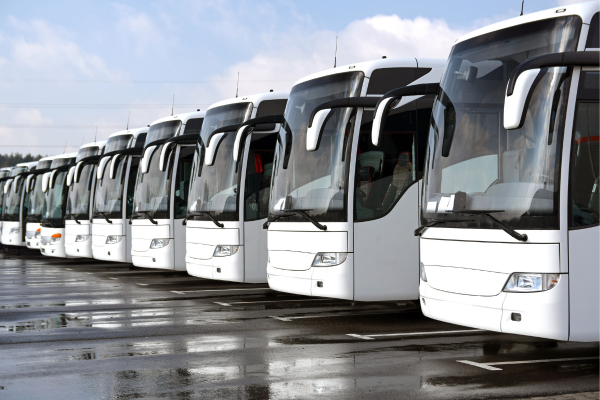
Mumbai’s BEST Undertaking is facing a significant shortfall in its planned bus fleet, with only 736 of 4,500 buses contracted over the past four years delivered so far. The delayed induction has affected public transport availability across the city, with commuters reporting waiting times of 30–45 minutes at several bus stops. Long-standing routes have also been curtailed or withdrawn as BEST continues to rationalise its services amid pressure on its available fleet.
According to BEST officials, the 4,500-bus contract has been divided into two lots. The first covers 2,100 buses, of which 686 have been inducted, leaving 1,414 still pending. Deliveries under this portion are currently stalled. The second lot comprises 2,400 electric buses, but only 50 have been supplied so far, leaving another 2,350 buses pending. The two lots together account for the total shortfall of 3,764 buses against the contracted fleet.
The delay comes at a time when BEST is operating with a fleet of around 2,800 buses, described as a 15-year low. Of these, only 249 buses are owned by the undertaking, while the remaining 2,551 are operated by private companies under wet-lease arrangements. The growing dependence on leased buses has reduced the proportion of the fleet directly owned and operated by BEST, even as the undertaking continues to serve millions of daily passengers.
The delayed deliveries have also affected the pace at which BEST can restore or expand services. Commuter groups have raised concerns over longer gaps between buses and reduced frequency on several routes. The shortage is particularly significant for passengers who depend on BEST for connections between residential neighbourhoods, railway stations, commercial districts and other public transport corridors.
The first 2,100-bus contract has previously faced a dispute over the release of subsidies and related documentation. Evey Trans, the operator associated with the supply, had delivered 686 buses and subsequently halted further deliveries, while BEST had raised issues concerning bank guarantees required for subsidy disbursal. Separately, the company had confirmed plans to honour its agreement for 2,400 additional electric buses.
BEST is also looking towards a separate procurement programme to strengthen its fleet. The undertaking has approved a INR 7,027 crore plan to induct 1,500 air-conditioned electric midi buses, which are expected to support metro feeder services and improve last-mile connectivity. Around 225 buses under the Centre’s PM E-Drive scheme are expected to arrive by the end of 2026.
The new procurement is part of BEST’s broader plan to expand its fleet to 7,000 buses by 2027. However, the continuing gap between contracted and delivered vehicles means the immediate availability of buses remains a challenge. Until pending deliveries resume and additional buses are inducted, commuters are likely to continue facing longer waits and reduced service frequency on parts of Mumbai’s bus network.
20th Oct, 2026
3rd Oct, 2026

28th Sep, 2026
24th Sep, 2026


4th Aug, 2026

Advertisement








 Facebook
 Whatsapp

