Advertisement






The Gulf conflict has disrupted global supply chains, pushed...
REITs have changed the way commercial real estate is owned a...
What really powers the cloud? Behind every Google search, A...
What really powers the cloud? Behind every Google search, A...
Luxury real estate is one of the most talked-about segments ...
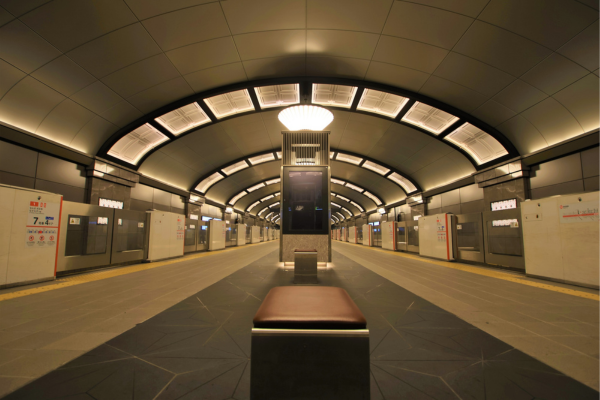
Kochi Corporation is preparing to undertake permanent rectification of a 3.10-km stretch of Sahodaran Ayyappan Road between Manorama Junction and Vyttila Junction, where repeated road sinking and hazardous undulations have developed around Kochi Metro pile caps. A four-member engineering team from NIT-Calicut has inspected the corridor and collected soil samples to determine the appropriate treatment for the weak subsoil. The corporation has identified 75 affected locations between Panampilly Nagar and Vyttila. The State government has sanctioned INR 10 crore for the work, while the Kerala High Court has directed the corporation to complete the rectification within four months.

Kochi Corporation is set to undertake permanent repair and levelling work along the 3.10-km Sahodaran Ayyappan Road corridor, where sections of the road have developed pronounced sinking and uneven surfaces around Kochi Metro structures. The affected stretch runs from Manorama Junction to Vyttila Junction and includes several busy sections used by daily commuters. A four-member engineering team from NIT-Calicut recently inspected the road to determine the reasons for the recurring settlement and identify an engineering solution. The inspection covered the stretch between Manorama Junction and Kadavanthra, with the team collecting soil samples to assess the condition of the underlying ground before recommending the treatment required.
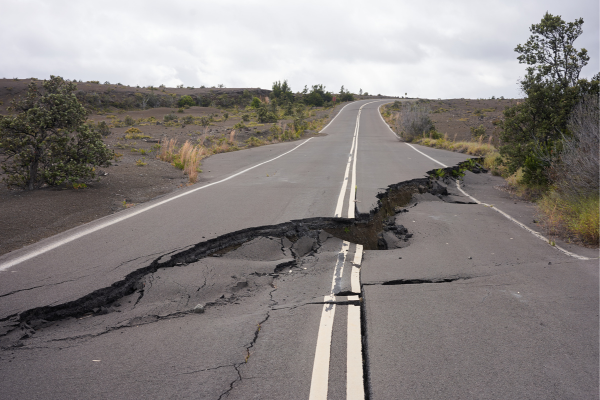
The road problems are linked primarily to settlement of loose subsoil around the Metro’s rigid concrete pile caps. The Metro corridor was constructed over reclaimed paddy-field land, where the underlying soil has continued to settle, while the concrete foundations remain fixed. This difference in movement has resulted in protruding sections around the pile caps and created sharp ridges and depressions along the carriageway. The affected portions include bumps of around three to five inches in height, which can be particularly difficult for motorists to identify at night. Repeated temporary patchwork has not resolved the problem because the soil beneath the road continues to shift.
The NIT-Calicut team is examining methods to strengthen the weak subsoil before the road is resurfaced. Possible engineering treatments include sand piling or the construction of concrete land slabs between Metro pile caps, although the final solution has not yet been decided. The expert team is expected to submit its study report to Kochi Corporation within 15 days. The corporation has identified 75 locations requiring attention between Panampilly Nagar and Vyttila. Mayor V K Minimol said the repair work would be undertaken based on the recommendations of the expert team, with the preliminary assessment also pointing to variations in road construction quality as a contributing factor.
The repair programme is also linked to proceedings before the Kerala High Court over the condition of the road. The State government had sanctioned INR 10 crore for permanent rectification of the stretch from Vyttila Metro Station to Manorama Junction. In September, the High Court directed Kochi Corporation to commence the rectification work and complete it within four months. The corporation had informed the court that the estimated cost had increased to INR 12.55 crore, but the court directed that the revised estimate should not be used as a reason for delaying the work. The court proceedings followed concerns over dangerous protrusions and uneven surfaces along busy traffic lanes.
The planned intervention is therefore expected to move the repair programme beyond repeated surface patching towards treatment of the underlying ground conditions. The engineering assessment will determine how the weak soil is to be strengthened at different depths before final resurfacing is carried out. For the corporation, the challenge is to rectify the affected road without allowing the underlying settlement problem to recur after resurfacing. With the High Court’s four-month deadline and the expert report expected shortly, the next stage will be the finalisation of the engineering treatment and execution of permanent rectification works across the identified locations on the Metro corridor.



11th Nov, 2026


7th Nov, 2026



Advertisement








 Facebook
 Whatsapp

