Advertisement






The Gulf conflict has disrupted global supply chains, pushed...
REITs have changed the way commercial real estate is owned a...
What really powers the cloud? Behind every Google search, A...
What really powers the cloud? Behind every Google search, A...
Luxury real estate is one of the most talked-about segments ...
Union Coal and Mines Minister Shri G Kishan Reddy has said the Bengal-Odisha industrial corridor could support India’s Act East policy by strengthening industrial connectivity between eastern India and markets in eastern and Southeast Asia. Speaking at a roadshow in West Bengal, Reddy highlighted the state’s geographical location, industrial base and connectivity as factors that could support aluminium-based downstream manufacturing. He also pointed to more than INR 79,000 crore spent on infrastructure projects in the state and another INR 1.47 lakh crore of projects in the pipeline, including initiatives aimed at improving maritime and urban connectivity.
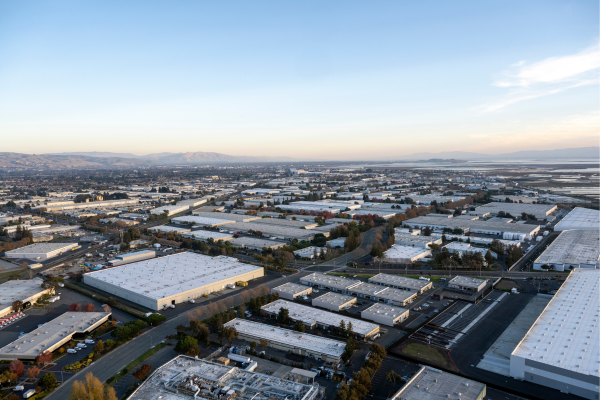
The Bengal-Odisha industrial corridor could play a larger role in connecting West Bengal’s industrial ecosystem with markets in eastern and Southeast Asia, while supporting the development of downstream aluminium manufacturing in the region, Union Coal and Mines Minister Shri G Kishan Reddy said on September 28. Speaking at a roadshow focused on West Bengal’s industrial and infrastructure development, Reddy said the state’s geographical position, existing industrial base and connectivity give it an opportunity to develop an aluminium downstream ecosystem and generate employment.
The minister said the corridor could contribute to India’s Act East mission by strengthening industrial linkages with eastern and Southeast Asian markets. He also highlighted the potential for West Bengal to use its existing infrastructure and location to support manufacturing and supply-chain activity. Aluminium, which Reddy described as increasingly being recognised globally as a green metal, could provide opportunities for both manufacturing and downstream industries as India seeks to increase domestic production and strengthen its position in global supply chains. The emphasis on downstream activity points to opportunities beyond primary metal production, including industries that use aluminium as an input for further manufacturing.
Reddy also highlighted the scale of infrastructure development taking place in West Bengal, saying more than INR 79,000 crore had already been spent on infrastructure activities in the state, while projects worth INR 1.47 lakh crore were in the pipeline. Among the initiatives he referred to were an Integrated Maritime Corridor, modern automated berths at ports and an under-river Metro project. These projects are expected to improve connectivity and industrial access to markets, with transport and logistics infrastructure forming an important part of the wider industrial corridor framework.
The proposed corridor also comes against the backdrop of the Centre’s broader industrial corridor programme. The Union Budget 2026-27 announced the development of an integrated East Coast Industrial Corridor with a well-connected node at Durgapur, while the government is implementing multiple industrial corridors across the country through the National Industrial Corridor Development Programme. Such corridors are planned around transport infrastructure and industrial clusters, with the objective of improving freight movement, market access and the development of manufacturing zones. The Durgapur node could therefore form part of the wider industrial infrastructure landscape in eastern India.
Reddy said West Bengal’s industrial development would require greater use of its location, infrastructure and proximity to eastern and Southeast Asian markets. He also stressed the need for collective efforts to revive industrial activity and create employment. For the Bengal-Odisha region, the proposed industrial corridor would bring together industrial production, transport connectivity and access to ports and external markets, while the focus on aluminium downstream industries could add manufacturing activity around the region’s existing mineral and industrial base. The minister’s remarks indicate that the corridor is being viewed as part of a broader infrastructure and industrial development strategy for eastern India and its links with Asia.
Source PTI
17th Nov, 2026

16th Nov, 2026
16th Nov, 2026



12th Nov, 2026

12th Nov, 2026

10th Nov, 2026

10th Nov, 2026

10th Nov, 2026
Advertisement








 Facebook
 Whatsapp

