Advertisement






The Gulf conflict has disrupted global supply chains, pushed...
REITs have changed the way commercial real estate is owned a...
What really powers the cloud? Behind every Google search, A...
What really powers the cloud? Behind every Google search, A...
Luxury real estate is one of the most talked-about segments ...
A 100-metre-long steel bridge weighing 1,405 metric tonnes has been installed in Thane district as part of the Mumbai-Ahmedabad bullet train project. The bridge, the first steel bridge for the project to be installed in Maharashtra, was transported from a specialised workshop in Trichy, Tamil Nadu, over a distance of more than 1,300 km. It was assembled at the site and launched over National Highway-3 at Dive-Anjur village in Bhiwandi. With this installation, 16 of the 28 steel bridges planned along the 508-km high-speed rail corridor have been completed.
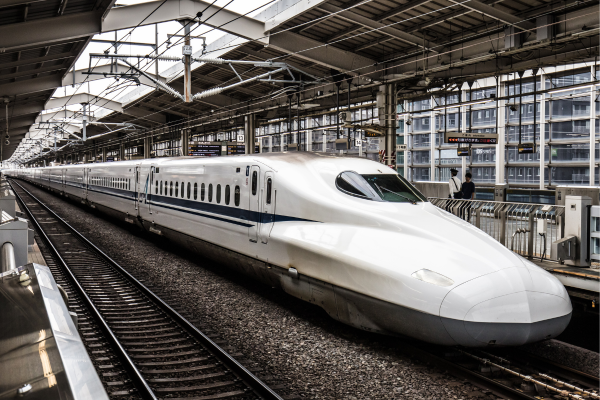
A 100-metre-long steel bridge weighing 1,405 metric tonnes has been installed in Maharashtra’s Thane district as part of the Mumbai-Ahmedabad bullet train project. The bridge was launched over National Highway-3 at Dive-Anjur village in the Bhiwandi area during a scheduled night traffic block.
The 14-metre-high bridge is also 14 metres wide and is the first steel bridge under the bullet train project to be installed in Maharashtra. The structure was transported to Thane on heavy trailers from a specialised workshop in Trichy, Tamil Nadu, covering a distance of more than 1,300 km.
According to the National High-Speed Rail Corporation Limited (NHSRCL), the bridge was fabricated at the Trichy workshop and then assembled at the installation site in Thane. The work involved transporting the large structure over a long distance and carrying out its assembly before the final launching operation.
An automated system was used to pull the completed bridge into its position over the national highway. The launching was carried out during scheduled night traffic blocks to reduce disruption to highway users. NHSRCL said the operation was planned with structural safety and traffic management in mind.
The bridge has been provided with a protective painting system to improve its durability. Elastomeric bearings have also been incorporated into the structure to help manage vibrations and support its long-term performance.
The installation also takes the number of completed steel bridges along the entire bullet train corridor to 16 out of the 28 planned structures. These steel bridges form part of the civil infrastructure being developed for the high-speed rail corridor.
The bridge’s fabrication in Trichy and its subsequent transportation and assembly in Thane also reflects the use of domestic manufacturing and engineering capabilities for the project. The work has been carried out as part of the wider effort to develop the Mumbai-Ahmedabad high-speed rail corridor.
The Mumbai-Ahmedabad bullet train project involves a 508-km dedicated high-speed rail corridor connecting Mumbai in Maharashtra with Ahmedabad in Gujarat. The project is being developed to provide faster rail connectivity between the two cities and substantially reduce travel time compared with existing rail services.
The latest bridge installation marks another stage in the construction of the corridor in Maharashtra, where several major civil and structural works are being undertaken to create the infrastructure required for high-speed train operations.
The installation of the Thane bridge highlights the scale of engineering work required for the Mumbai-Ahmedabad high-speed rail corridor, particularly where the alignment crosses existing highways and other transport infrastructure. Transporting a 1,405-tonne structure from Tamil Nadu to Maharashtra and assembling it before launching required coordination across multiple stages of construction. With more than half of the planned steel bridges now completed, work on these structures is progressing alongside other civil construction activities across the 508-km corridor.
Source PTI

15th Nov, 2026



11th Nov, 2026

11th Nov, 2026

10th Nov, 2026

Advertisement








 Facebook
 Whatsapp

