Advertisement






The Gulf conflict has disrupted global supply chains, pushed...
REITs have changed the way commercial real estate is owned a...
What really powers the cloud? Behind every Google search, A...
What really powers the cloud? Behind every Google search, A...
Luxury real estate is one of the most talked-about segments ...
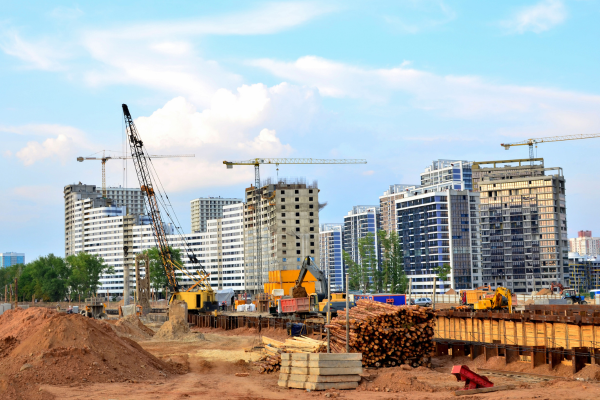
The Brihanmumbai Municipal Corporation has tightened conditions for construction approvals by making compliance with prescribed air-pollution mitigation measures a factor in retaining development permissions. Under a September 2 circular, failure to implement required safeguards can lead to suspension of architects’ or licensed surveyors’ licences and revocation of development permission. Construction activity carried out after a stop-work notice may also attract a penalty equivalent to 100% of applicable premium rates. The move comes amid heightened scrutiny of construction-related emissions and follows directions from the Bombay High Court on Mumbai’s air quality.

The Brihanmumbai Municipal Corporation has strengthened its enforcement framework for construction-related air pollution, giving compliance with mitigation measures a more direct connection to project approvals in Mumbai. Under the new conditions, developers and project professionals will have to ensure that prescribed pollution-control measures are incorporated and maintained at construction sites. Failure to comply could result in suspension of professional licences and cancellation of development permissions, increasing the regulatory consequences for projects that repeatedly breach environmental safeguards.
The measure was formalised through a September 2 circular issued by the BMC's development plan department. Civic officials have been instructed to take the new requirements into account while processing Intimation of Disapproval approvals and amended building plans. This effectively places pollution-control compliance within the project approval and monitoring framework rather than treating it solely as an operational issue during construction. The civic body's action also includes a financial penalty for construction that continues after a stop-work notice. Such work can attract a penalty equivalent to 100% of the applicable premium rates, irrespective of concessions available under the regulations governing the proposed development.
Mumbai's construction sector has faced increasing scrutiny over dust and other emissions in recent years. The BMC had introduced a series of mitigation measures after air quality deteriorated, with inspections and stop-work notices being issued at sites found to be non-compliant. The latest decision is intended to strengthen the effectiveness of those measures by attaching consequences to development permissions themselves. The move follows heightened intervention by the Bombay High Court in matters concerning air pollution in Mumbai. The civic administration has also established a high-powered committee headed by the municipal commissioner to examine measures for improving air quality and strengthening enforcement.
For developers, the changes could make environmental compliance an increasingly important component of project planning. Construction schedules, site-management systems and approval processes may have to incorporate pollution-control requirements more systematically to avoid interruptions or regulatory action. Architects and licensed surveyors are also likely to face greater scrutiny because their professional licences can be affected where prescribed requirements are not followed. At the same time, industry representatives have called for enforcement to remain transparent, proportionate and consistent across projects.
The policy places greater emphasis on preventing construction-related pollution rather than responding to violations after they occur. It also signals a shift towards linking environmental performance with the regulatory status of development projects. With Mumbai continuing to see redevelopment and large-scale construction across residential, commercial and infrastructure segments, the effectiveness of the new framework will depend on regular inspections, consistent implementation and clarity over the responsibilities of developers and project professionals.

20th Oct, 2026

3rd Oct, 2026

28th Sep, 2026
24th Sep, 2026



4th Aug, 2026


Advertisement








 Facebook
 Whatsapp

