Advertisement






The Gulf conflict has disrupted global supply chains, pushed...
REITs have changed the way commercial real estate is owned a...
What really powers the cloud? Behind every Google search, A...
What really powers the cloud? Behind every Google search, A...
Luxury real estate is one of the most talked-about segments ...
Redevelopment has emerged as Mumbai's primary housing growth engine, with more than 1,000 projects launched since 2020 and its share of residential sales rising to 15% during 2025-H1 2026, compared with around 6% in 2016-21. Limited greenfield land, ageing housing stock and supportive planning policies are driving developers towards larger, cluster-led projects. Industry estimates suggest the redevelopment pipeline could deliver around 59,000 homes worth 1.5 lakh crore by 2031, reshaping the city's long-term residential supply.
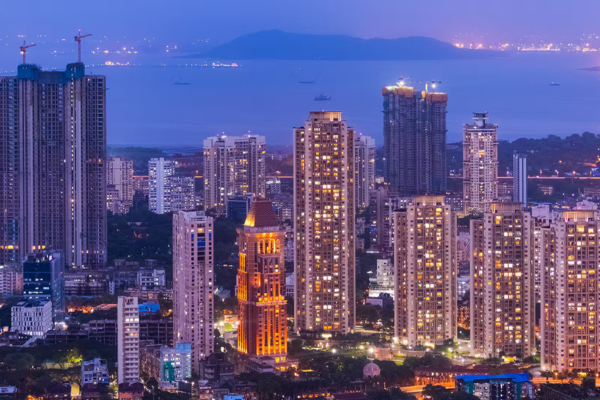
Mumbai's residential market is undergoing a structural transformation as redevelopment replaces greenfield construction as the city's principal source of new housing supply, driven by land scarcity, ageing buildings and rising demand for modern residential infrastructure.
Industry data indicates that more than 1,000 redevelopment projects have been launched across Mumbai since 2020, highlighting a sustained shift in the city's development model. Redevelopment now accounts for around 13% of residential supply, while its contribution to housing sales has increased to 15% during 2025 and the first half of 2026, up from roughly 6% between 2016 and 2021.
The changing trend reflects Mumbai's unique urban realities. With very little vacant land available for large residential developments, housing societies and ageing buildings have become the city's biggest source of future housing stock. Developers are increasingly partnering with cooperative housing societies to rebuild older structures into higher-density residential projects with upgraded amenities and improved infrastructure.
The redevelopment model itself is evolving beyond individual buildings. Developers are increasingly pursuing cluster redevelopment, where multiple adjoining properties are combined into integrated projects capable of supporting wider roads, open spaces, community facilities and improved public infrastructure alongside additional housing.
Industry estimates suggest that the current redevelopment pipeline could unlock around 59,000 new homes worth nearly 1.5 lakh crore by 2031, underlining the sector's growing importance to Mumbai's long-term housing strategy. These projects are also expected to generate significant economic activity through construction employment, allied industries and higher property-related revenues.
Policy reforms have further strengthened redevelopment activity. Frameworks under the Development Control and Promotion Regulations (DCPR) 2034, along with self-redevelopment and cluster redevelopment provisions, have made larger projects more commercially viable while encouraging coordinated urban renewal across older neighbourhoods.
Mumbai's ageing housing stock continues to reinforce this shift. A substantial number of buildings across the city are now more than three decades old, increasing the need for structural upgrades, improved safety standards and modern civic infrastructure. Redevelopment provides an opportunity to replace ageing buildings while improving the quality of urban living.
The momentum is particularly visible in suburbs such as Borivali and Andheri, as well as established premium neighbourhoods including Pali Hill and Breach Candy, where developers are actively pursuing multi-building redevelopment opportunities. These projects typically combine rehabilitation housing for existing residents with additional sale inventory, creating a financially sustainable redevelopment model.
As Mumbai continues to grapple with limited developable land and growing housing demand, redevelopment is increasingly becoming the city's defining residential strategy. Rather than expanding outward, the city is now rebuilding from within, using urban renewal to create new housing supply while modernising ageing neighbourhoods and supporting long-term urban transformation.
SOurce: GMDA
20th Oct, 2026

3rd Oct, 2026

28th Sep, 2026
24th Sep, 2026

4th Aug, 2026
Advertisement








 Facebook
 Whatsapp

