Advertisement






The Gulf conflict has disrupted global supply chains, pushed...
REITs have changed the way commercial real estate is owned a...
What really powers the cloud? Behind every Google search, A...
What really powers the cloud? Behind every Google search, A...
Luxury real estate is one of the most talked-about segments ...
Ahmedabad's civic authorities — the Ahmedabad Municipal Corporation (AMC) and the Ahmedabad Urban Development Authority (AUDA) — have struggled for over a decade to enforce a rule requiring older buildings to obtain structural stability certificates. The regulation, introduced in 2014 under the Ahmedabad General Development Control Regulations and reaffirmed in 2017, requires residential buildings taller than nine metres and commercial buildings over 15 years old to be inspected by a qualified structural engineer. Despite a public notice issued by AMC Commissioner M. Thennarasan directing compliance within 15 days, enforcement has remained weak, with certificates typically filed only once a building is already deemed dilapidated or dangerous.
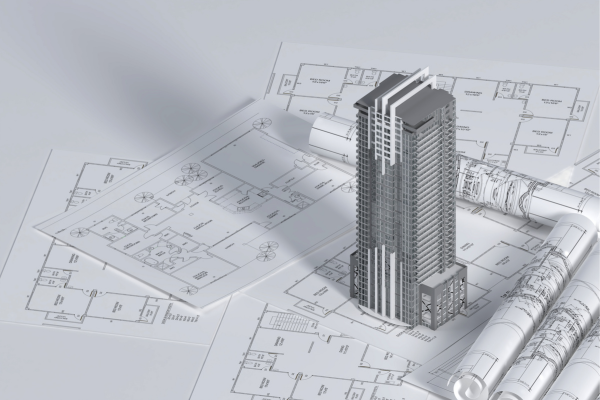
Ahmedabad's civic authorities have struggled to enforce a long-standing requirement that older buildings in the city obtain structural stability certificates, despite the rule having been in place for more than a decade.
The regulation, introduced in 2014 under the Ahmedabad General Development Control Regulations (GDCR) and reaffirmed in 2017, requires all residential buildings taller than nine metres, as well as commercial structures over 15 years old, to be inspected by a qualified structural engineer and to obtain a formal certificate confirming the building's structural stability.
Ahmedabad Municipal Commissioner M. Thennarasan issued a public notice directing all eligible residential and commercial buildings to submit their structural stability certificates within 15 days. According to an AMC official who was not named, such certificates are in practice typically filed only once a building has already been assessed as dilapidated or otherwise dangerous, rather than as a routine, preventive measure as the regulation envisages.
Both the AMC and AUDA have acknowledged that enforcement of the rule has been weak since its introduction. Many property owners appear to be either unaware of the regulation or indifferent to it, and the civic bodies have not compelled widespread compliance. As a result, a substantial number of ageing buildings across the city have continued to operate without the structural inspections and certifications the rule requires, raising concerns about the safety of occupants and the public more broadly.
Officials have indicated that the municipal corporation is considering stricter enforcement measures in response to the continued non-compliance, though the specific nature of any such measures was not detailed in available reporting.
The persistence of this compliance gap points to a broader pattern in Ahmedabad's urban governance, where safety-related building regulations exist on paper but rely heavily on property owners' voluntary action rather than proactive civic enforcement — a gap that becomes most visible only after a structural failure has already occurred.
Source: Public notice issued by Ahmedabad Municipal Commissioner M. Thennarasan under the Ahmedabad General Development Control Regulations (GDCR)

17th Nov, 2026


14th Nov, 2026

14th Nov, 2026



11th Nov, 2026

9th Nov, 2026


Advertisement








 Facebook
 Whatsapp

