Advertisement






The Gulf conflict has disrupted global supply chains, pushed...
REITs have changed the way commercial real estate is owned a...
What really powers the cloud? Behind every Google search, A...
What really powers the cloud? Behind every Google search, A...
Luxury real estate is one of the most talked-about segments ...
The Ahmedabad Urban Development Authority (AUDA) has stopped work on a water treatment plant after spending around INR 20 crore on the project and is now planning to use the site for a sports complex instead. The reversal has triggered questions over planning, expenditure and the future of the unfinished infrastructure. Civic officials have not publicly detailed the reasons for abandoning the original project, while the proposed shift aligns with AUDA’s broader push to expand sports infrastructure as Ahmedabad prepares for major international sporting events.
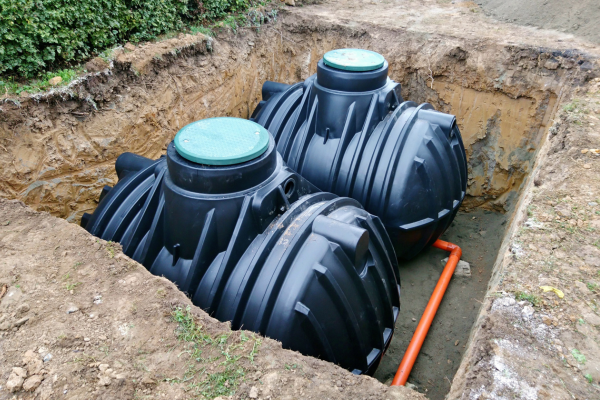
The Ahmedabad Urban Development Authority (AUDA) has halted construction of a water treatment plant after investing approximately INR 20 crore in the project, with the site now proposed for redevelopment as a sports complex, bringing planning decisions and public expenditure under renewed scrutiny.
The decision marks a significant shift in the use of the land, which was originally intended to strengthen water infrastructure for the expanding urban region. Instead of completing the treatment facility, AUDA is now preparing to repurpose the site for sports infrastructure, reflecting changing development priorities within the authority's long-term planning framework.
The abandoned project has raised questions because substantial construction work had already been undertaken before work was stopped. While civic officials have confirmed that the project has been discontinued, they have not publicly provided a detailed explanation for why the original plan was abandoned after significant expenditure had already been incurred.
The proposed sports complex fits into AUDA's wider strategy of expanding sports-related infrastructure across Ahmedabad. The authority has increasingly directed investments towards sports facilities as the city positions itself to host major national and international sporting events over the coming years. Earlier planning documents and budget allocations have already outlined substantial investments in sports arenas, athletic infrastructure and supporting civic facilities across the metropolitan region.
The shift also reflects a broader transformation in Ahmedabad's urban planning priorities. Instead of relying solely on conventional infrastructure projects, the city has increasingly incorporated sports infrastructure into long-term development plans alongside transport networks, public spaces and civic amenities.
However, the decision has also renewed concerns about project planning and financial accountability. Infrastructure experts note that abandoning partially completed public projects can result in sunk costs, delays in delivering intended public services and additional expenditure if existing structures cannot be reused effectively.
The unfinished water treatment plant also highlights the importance of long-term project evaluation before implementation. Large civic infrastructure projects typically involve detailed planning, engineering design, contractor mobilisation and public expenditure, making mid-course changes particularly significant once construction has already begun.
The development comes at a time when Ahmedabad continues investing heavily in urban infrastructure. Recent budgets approved by AUDA have allocated substantial funds for roads, drainage, sports facilities and regional development projects, reflecting an effort to prepare the metropolitan area for future population growth and international sporting ambitions.
The proposed sports complex could eventually become part of the city's expanding recreational infrastructure, but questions remain over the fate of the existing water treatment structures and whether any portion of the completed work can be incorporated into future development.
For now, AUDA's decision represents both a change in land use and a planning reversal that has drawn attention to how public infrastructure projects are managed once construction is already underway. The authority is expected to advance planning for the sports complex, while the halted water treatment project is likely to remain under public scrutiny because of the expenditure already incurred before work was discontinued.

17th Nov, 2026


14th Nov, 2026
14th Nov, 2026



11th Nov, 2026

9th Nov, 2026

Advertisement








 Facebook
 Whatsapp

