Advertisement






The Gulf conflict has disrupted global supply chains, pushed...
REITs have changed the way commercial real estate is owned a...
What really powers the cloud? Behind every Google search, A...
What really powers the cloud? Behind every Google search, A...
Luxury real estate is one of the most talked-about segments ...
Demand is growing for Kochi Metro Phase III to directly connect Angamaly railway station and the KSRTC bus stand, with residents, transport stakeholders and civic groups urging planners to revise the proposed alignment before it is finalised. The appeal comes as the Detailed Project Report (DPR) for the Aluva-Airport-Angamaly corridor advances through the approval process. Supporters argue that integrating the metro with rail and bus services would create a multimodal transport hub, improve last-mile connectivity and strengthen public transport access in northern Ernakulam.
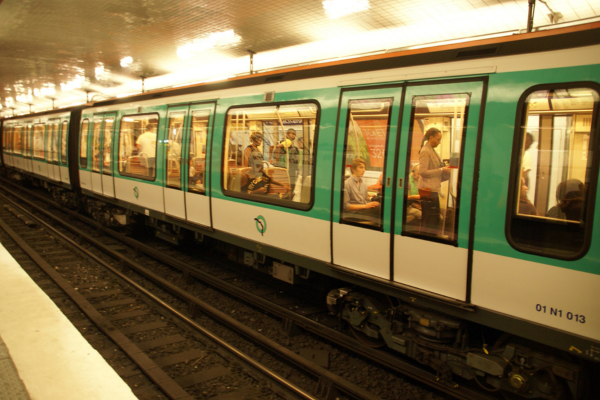
Calls are growing for Kochi Metro’s proposed Phase III expansion to directly connect Angamaly railway station and the KSRTC bus stand, with local residents, transport stakeholders and civic organisations urging planners to revise the corridor’s alignment before the project moves into its next stage.
The demand has gathered momentum as the Detailed Project Report (DPR) for the Aluva-Airport-Angamaly metro corridor progresses through the approval process. While the proposed line is designed to extend metro connectivity beyond Aluva through Cochin International Airport towards Angamaly, campaigners argue that the current alignment misses an opportunity to integrate two of the town’s busiest transport hubs.
Stakeholders believe a direct metro connection to the railway station and bus stand would transform Angamaly into a multimodal interchange, allowing passengers to transfer seamlessly between metro services, Indian Railways and long-distance as well as local bus operations. Such integration, they argue, would strengthen the usefulness of the entire northern extension rather than limiting it to airport connectivity alone.
Angamaly has emerged as an increasingly important transport node in northern Ernakulam district. The railway station serves thousands of passengers daily and functions as a major stop on the Southern Railway network, while the town’s bus services connect nearby municipalities, the airport and several regional destinations. Supporters of the revised alignment say bringing these systems together would significantly improve public transport accessibility for commuters.
Community organisations have also highlighted Angamaly’s growing strategic importance beyond its existing transport role. Future projects, including the proposed Sabari Rail corridor, are expected to increase the town’s significance as a regional transport centre, making stronger multimodal integration more valuable over the long term.
The proposed Phase III corridor itself represents a significant expansion of Kochi Metro’s network. The line is expected to run from Aluva through Cochin International Airport before extending towards Angamaly, with several intermediate stations planned along the route. Earlier project updates have indicated that the corridor will be fully elevated and is intended to strengthen connectivity between the airport and northern parts of the metropolitan region.
Transport planners have increasingly emphasised the importance of integrated public transport systems, particularly as Kochi continues expanding its metro and Water Metro networks. Better connections between metro stations, railway stations and bus terminals are widely viewed as essential for improving first- and last-mile connectivity and encouraging greater use of public transport.
Local campaigners have urged elected representatives and the state government to intervene before the alignment is finalised, arguing that modifications made at the planning stage would be easier than retrofitting connections after construction begins. They contend that a direct link to Angamaly’s railway station and bus stand would increase passenger convenience while improving the long-term value of the metro investment.
The growing demand has therefore shifted attention from simply extending the metro northwards to ensuring that the expansion creates a fully connected transport network capable of serving airport passengers, daily commuters and regional travellers through a single integrated mobility hub.




11th Nov, 2026

7th Nov, 2026



Advertisement








 Facebook
 Whatsapp

