Advertisement






The Gulf conflict has disrupted global supply chains, pushed...
REITs have changed the way commercial real estate is owned a...
What really powers the cloud? Behind every Google search, A...
What really powers the cloud? Behind every Google search, A...
Luxury real estate is one of the most talked-about segments ...
Australia’s housing market recorded another decline in August, extending its downturn to a fifth consecutive month as high interest rates and weaker buyer confidence continued to weigh on demand. National home prices fell 0.9% during the month, following a 1.2% decline in July, with Sydney and Melbourne recording the sharpest falls. Prices in both cities are now about 7% below their peaks. Economists expect the downturn to deepen, with some forecasting a peak-to-trough decline of around 10%. Weaker sales, longer selling periods and increased vendor discounts are also pointing to softer market conditions.
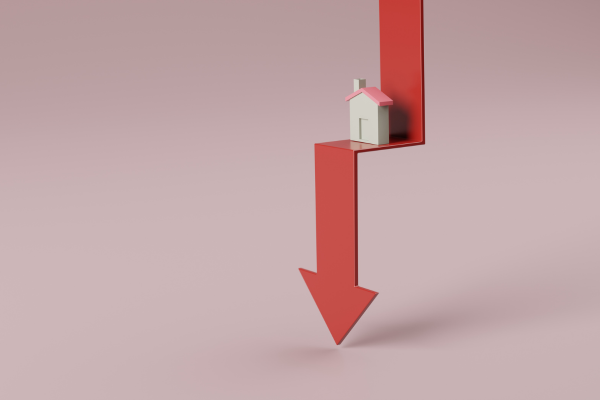
Australia’s home prices fell for a fifth consecutive month in August, marking the country’s sharpest housing downturn since the pandemic, as persistent inflation continued to keep pressure on interest rates. Data from property consultant Cotality showed national home prices declined 0.9% from July, when they had fallen 1.2%.
Sydney and Melbourne remained the weakest major markets, with prices falling 1.4% and 1.1%, respectively, during August. Home prices in both cities are now about 7% below their respective peaks. Nearly all Australian capital cities recorded declines during the month, including Brisbane and Perth, which had previously posted strong gains. Their prices fell 1% and 0.8%, respectively, in August.
The decline is also raising concerns about household wealth and consumer spending at a time when the Australian economy is losing momentum. Annual economic growth was expected to slow to 1.8% in the second quarter from 2.5% in the first quarter, while quarterly growth remained at 0.3%. Net exports and government spending each added 0.1 percentage points to quarterly growth, but this was more than offset by a 0.3 percentage point drag from business inventories.
The housing slowdown is also affecting broader activity because of the sector’s links with real estate services, construction and trades. Housing credit growth has started to slow, while weaker property transactions could put further pressure on these related industries.
Economists are increasingly expecting the decline to reach around 10% from the market peak. AMP chief economist Shane Oliver said the market could be only around 35% through the downturn in terms of both the size and duration of the decline. He expects a peak-to-trough fall of about 10%, with a recovery potentially emerging in the second half of next year.
UBS has also raised concerns about a possible decline of close to 10%, which would rank among Australia’s more severe housing downturns. The bank expects the Reserve Bank of Australia to raise its cash rate by another 25 basis points, with November seen as the more likely timing, although the possibility of an earlier hike at the September meeting had increased.
The Reserve Bank has already raised its cash rate three times this year to 4.35%. Expectations of another increase strengthened after July inflation came in higher than anticipated, leaving little immediate relief for the housing market. The government’s tax changes announced in May have also reduced investor demand, adding another source of pressure to the property market.
Cotality research director Tim Lawless said weaker transaction activity was behind the softer price trend. Property sales over the three months to August were 15.5% lower than a year earlier. Longer selling periods, larger discounts offered by sellers and persistently low auction clearance rates are indicating a buyer-friendly market, although cautious buyers are still holding back from making purchases.
Source Reuters

17th Nov, 2026


12th Nov, 2026
12th Nov, 2026


11th Nov, 2026



10th Nov, 2026
Advertisement








 Facebook
 Whatsapp

