Advertisement






The Gulf conflict has disrupted global supply chains, pushed...
REITs have changed the way commercial real estate is owned a...
What really powers the cloud? Behind every Google search, A...
What really powers the cloud? Behind every Google search, A...
Luxury real estate is one of the most talked-about segments ...
SNN Raj Corp has started the controlled demolition of 49 apartments at its SNN Raj Etternia project in Bengaluru’s HSR Layout after an error was identified in the soil investigation report prepared by an external agency. The affected homes are part of the 972-unit residential development. Edifice Engineering has been appointed to carry out the specialised demolition, which is expected to take six months. The developer had voluntarily decided to rebuild the affected homes despite the project having received its Occupancy Certificate and no visible signs of structural distress. Necessary regulatory approvals were obtained before demolition began.
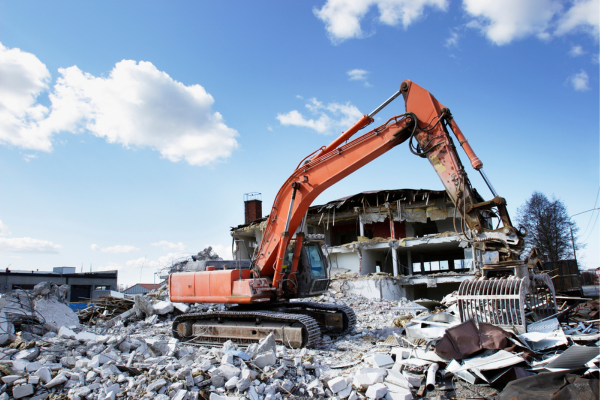
SNN Raj Corp has commenced the controlled demolition of 49 apartment units at SNN Raj Etternia, a 972-home residential project in Bengaluru’s HSR Layout. The demolition follows the developer’s decision to rebuild the affected homes after an error was found in a soil investigation report prepared by an external agency for the project’s geotechnical investigation.
The demolition is being carried out by Edifice Engineering, which has been appointed for the specialised exercise. The company is using controlled demolition techniques aimed at maintaining safety for residents in neighbouring buildings and protecting surrounding structures during the dismantling process. The demolition is expected to take about six months, after which reconstruction of the affected apartment block will begin.
Anuj Sanjay Jain, Director, SNN Raj Corp, said the planning of the demolition focused primarily on safety and reducing inconvenience to residents and nearby structures. He said Edifice Engineering was selected because of its experience in carrying out complex controlled demolitions, including projects in tightly built urban areas.
The developer said the affected buildings had already received the Occupancy Certificate and had shown no signs of structural distress. However, it decided not to hand over the affected homes and instead opted for reconstruction after identifying the issue with the soil investigation. The decision was taken voluntarily, with the company stating that long-term structural integrity was prioritised over commercial considerations.
The company also informed the relevant regulatory authorities about the decision, following which the required approvals for demolition were secured before the dismantling work began. Once the demolition is completed, reconstruction of the affected block will form the next stage of the process.
The case highlights the importance of geotechnical investigations in large residential developments, particularly in urban projects where construction takes place close to existing homes and infrastructure. In this instance, the developer has proceeded with demolition before handing over the affected apartments, despite the buildings having received occupancy approval and showing no visible structural problems.
Source PTI


16th Nov, 2026

13th Nov, 2026



12th Nov, 2026




Advertisement









 Facebook
 Whatsapp

