Advertisement






Ahmedabad Municipal Corporation has approved a wastewater-user levy on luxury hotels discharging more than 10 kilolitres per day, with the charge set at INR 8 per kilolitre. Around 20 upscale properties, including three- to five-star hotels, will see this applied from the 2026-27 billing cycle. The revision is linked to compliance norms required for a major infrastructure upgrade supported through an international funding programme. Annual bills for these hotels are projected to rise by INR 1.5-2 lakh, reflecting the city's attempt to align high-consumption commercial users with sustainable water-management practices.
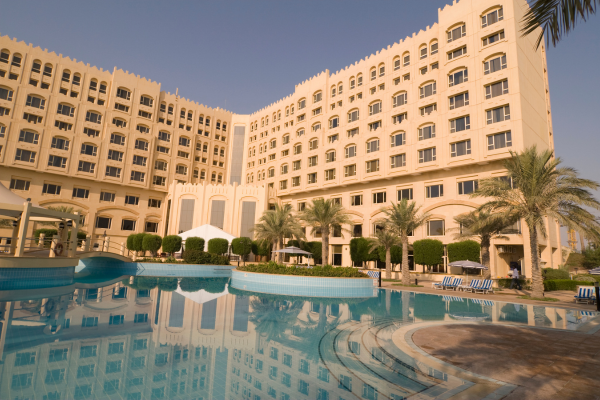
The Ahmedabad Municipal Corporation has approved a new wastewater-user levy that will apply to luxury hotels generating significant wastewater volumes. The decision was taken earlier this week, targeting establishments that discharge more than 10 kilolitres of wastewater per day. About 20 hotels across the three- to five-star category - including well-known properties such as ITC Narmada, Hyatt Regency and Taj Skyline - fall under this category and will be billed at INR 8 per kilolitre. Advertisement


The revised levy will come into effect from the 2026-27 billing cycle, increasing annual expenditure by roughly INR 1.5 lakh to INR 2 lakh for each of these properties. Corporation officials indicated that the measure is part of a broader financial framework required for ongoing infrastructure upgrades, including drainage rehabilitation, expansion of sewage-treatment capacity and modernisation of ageing wastewater networks. These upgrades form part of a large-scale urban initiative that has been progressing over the past year, with funding partially linked to compliance benchmarks that municipalities must meet.
Officials have noted that luxury hotels remain among the city's highest wastewater generators, making them a priority for targeted charges meant to rationalise consumption and ensure that high-use commercial establishments contribute fairly to system upkeep. The levy is expected to encourage more efficient water-management practices, especially among properties with extensive laundry, kitchen and guest-service operations.
The hospitality sector has seen recurring revisions in municipal norms over the years, particularly concerning water usage and environmental compliance. This latest decision reflects the city's shift towards integrating sustainability considerations into cost-recovery mechanisms, ensuring that infrastructure development keeps pace with the demands of a rapidly expanding commercial landscape.

5th Jun, 2025

25th May, 2023

11th May, 2023

27th Apr, 2023
Advertisement





 Facebook
 Whatsapp
