Advertisement






Authorities in Gurugram have directed RWAs and developers to restore all non-functional rainwater harvesting systems in housing societies within six weeks, following inspections that revealed most recharge pits were poorly maintained. RWAs must submit proof of proper functioning by the end of December, after which officials will conduct random checks to verify compliance. With rainwater harvesting mandatory for group housing, institutions, hotels and industries, officials stressed that effective recharge systems are vital for a city facing frequent waterlogging and declining groundwater levels. They noted that well-maintained pits can significantly improve stormwater absorption. The directive reflects a renewed push to strengthen water management and ensure long-term urban sustainability.
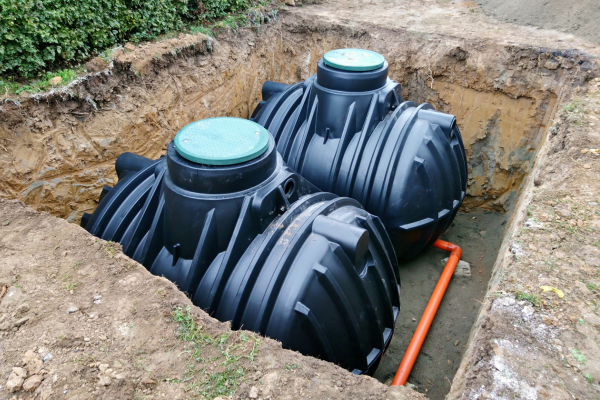
Authorities in Gurugram have issued a firm instruction to RWAs and developers, asking them to restore nearly all non-functional rainwater harvesting systems in their respective housing societies within a six-week period. This directive was issued earlier this week following inspections that showed a majority of recharge pits had not been maintained and were unable to perform their intended function. RWAs have been told to provide documentary proof of the systems' proper operation by the end of December. Advertisement


Officials stated that random checks will be conducted after the submission deadline to verify compliance on the ground. The systems, which have been mandatory for group housing societies, educational institutions, hotels and industrial premises since the mandate was introduced earlier, have been described as critical for a city dealing with recurring waterlogging and depleted groundwater reserves.
During a recent workshop attended by RWAs and developers from several housing clusters, senior district officers highlighted the urgent need to maintain effective recharge structures. They explained that just a few well-functioning systems in larger societies could collectively make a substantial contribution to groundwater replenishment, far exceeding the impact of scattered individual pits. They further observed that shifting rainfall patterns and intense downpours have placed additional pressure on the city's drainage network, making localised harvesting systems even more important.
Officials also noted that functioning recharge pits could help divert a significant share of stormwater underground, reducing surface runoff and easing the city's flooding challenges. They urged RWAs to treat water conservation as an essential responsibility rather than a compliance formality, adding that societies with well-performing structures could serve as examples for others.
The renewed push to restore Gurugram's rainwater harvesting systems reflects the administration's increasing emphasis on sustainable urban planning. By establishing a clear timeline, demanding proof of compliance and preparing for physical inspections, officials are aiming to ensure that water management infrastructure is not only installed but actively maintained.

5th Jun, 2025

25th May, 2023

11th May, 2023

27th Apr, 2023
Advertisement





 Facebook
 Whatsapp