Advertisement






A renewed debate in the United States examined whether a 50-year mortgage could ease homeownership pressures or create new financial risks. The idea re-emerged as households faced inflation, rising costs and delayed life decisions, with 71% of aspiring buyers postponing major plans, according to Coldwell Banker's 2025 American Dream Report. A 50-year loan on USD 400,000 would lower monthly payments by about USD 270 compared with a 30-year mortgage, but total interest would nearly double. Experts warned that borrowers would build equity far more slowly and could remain financially exposed during life changes. With first-time buyers now around age 40, analysts said the extended term raised concerns about long-term security and ageing borrowers.
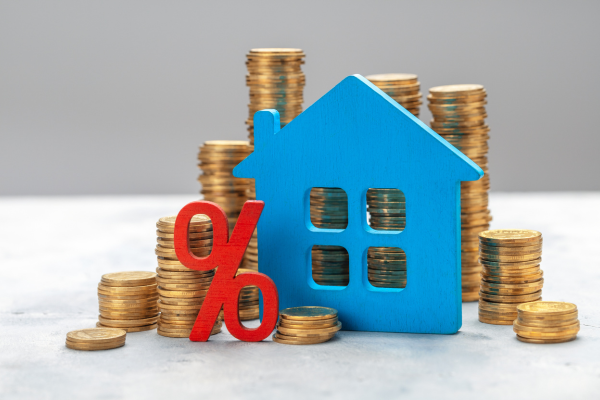
A discussion that resurfaced earlier this week in the United States centred on whether a 50-year mortgage could make homeownership more achievable or introduce new financial risks. The proposal, which the Trump administration had been examining as part of a broader affordability push, came within a climate of heightened economic anxiety. Recent political shifts in New Jersey, Virginia and New York City reflected public concerns about inflation, tariffs and general cost-of-living pressures, according to national polling trends observed in the past few months. Advertisement


Coldwell Banker's 2025 American Dream Report, released earlier this week, revealed that 71% of aspiring homeowners had delayed major personal decisions until they could afford to purchase a property. Against this backdrop, the administration considered whether an extended mortgage term could support cash-flow-strained households.
Under the proposed structure, mortgage repayments stretched over five decades would spread principal repayment more thinly. On a USD 400,000 loan at a fixed annual percentage rate of 6.5%, monthly dues under a 50-year period would be roughly USD 2,255, compared with about USD 2,528 on the traditional 30-year tenure. This translated into an approximate saving of USD 270 per month.
However, analysts emphasised that the long-term cost would rise sharply. Total interest payable on a 50-year loan would be about USD 953,000 compared with roughly USD 510,000 on a 30-year mortgage. Matt Schulz, chief consumer finance analyst at LendingTree, remarked that the extended term did not work in favour of borrowers over time, adding that the lower monthly instalment would likely come with a higher overall interest rate, a substantially larger lifetime interest cost and markedly slower equity growth.
Home equity's role in financial stability also drew attention. Jeff DerGurahian, loanDepot's chief investment officer and head economist, observed that a borrower would not begin building meaningful equity until well after a decade into the loan's life. This, he said, meant sellers facing unexpected events-such as relocation, job change or divorce-would likely have limited equity to rely upon.
Concerns were further amplified by demographic trends. The median age of a first-time homebuyer in the United States stood at 40 earlier this year. Carrie Lysenko, chief executive officer of Zoocasa, pointed out that although Americans were living longer, a borrower taking a 50-year mortgage at that age would be approaching 90 by the time the loan was repaid.
The wider economic conversation also encompassed market developments, policy shifts and industry commentary, including reflections on inflation management, tariff adjustments and investor behaviour in sectors such as artificial intelligence and digital assets. Analysts continued to debate whether the broader economic climate-marked by fluctuating job market expectations, easing projections from the Federal Reserve and volatility in emerging financial technologies-might influence how households responded to long-term borrowing commitments.
The proposal for a 50-year mortgage revived critical questions about balancing affordability with long-term financial security. While the extended term appeared to reduce monthly payments, industry experts indicated that the resulting rise in total interest and slower equity formation could leave borrowers more vulnerable during future life transitions. With first-time buyers entering the market later in life and economic pressures continuing to shape household decisions, the debate highlighted the need for policies that provide relief without creating new risks. The conversation ultimately underscored the complexity of designing sustainable pathways to homeownership.
Source - Reuters

5th Jun, 2025

25th May, 2023

11th May, 2023

27th Apr, 2023
Advertisement





 Facebook
 Whatsapp