Advertisement






Mumbai has recorded a clear rise in air pollution levels, mainly driven by large-scale construction work and steady growth in vehicular emissions. Experts from IIT-Bombay and the IMD have explained that seasonal weather conditions, including cooler nights and calmer winds, are allowing pollutants to stay close to the surface. While the citywide AQI has remained in the moderate bracket, certain pockets such as the Bandra Kurla Complex experienced severe readings. The municipal body has issued multiple guidelines and stop-work notices to control dust and restrict further deterioration.
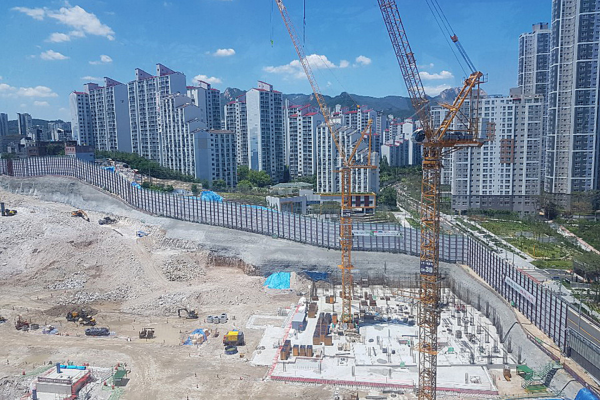
Mumbai has seen a noticeable increase in its Air Quality Index in the past week, with experts linking the spike to constant construction work and dense vehicle movement across the city. As several large projects continue simultaneously including Metro corridors, road repairs, flyovers and new residential structures, dust from construction has become a major contributor to the city's pollution load. Rising vehicle numbers and heavy daily traffic have added to the challenge. Advertisement


The overall AQI recently stood at 104, categorised as moderate, but certain locations recorded far worse levels. The Bandra Kurla Complex fell in the severe zone, indicating that some neighbourhoods are experiencing a much higher concentration of pollutants than the city average. Experts also pointed out that weather plays an important role during this period, with temperature inversion and still winds preventing pollutants from scattering.
According to IIT-Bombay climate scientist Angshuman Modak, both construction activity and vehicular emissions are driving the deterioration. He explained that current weather patterns are trapping dust and exhaust near ground level. IMD scientist Sushma Nair added that cooler nights and light winds during this season allow pollutants to remain suspended, which directly increases AQI levels.
Mumbai has been undergoing continuous redevelopment, with older buildings and industrial plots making way for new structures. This transformation has increased the amount of dust generated daily. The Brihanmumbai Municipal Corporation stated that it is taking several steps, such as promoting the use of cleaner fuels in bakeries and crematoriums, expanding the fleet of electric buses, improving debris management, and carrying out water sprinkling on roads to reduce dust dispersion.
The civic body had also issued 28 dust-control guidelines earlier, requiring construction sites to install metal fencing and green cloth barriers, store debris properly, transport construction material safely, and set up on-site air-quality monitors. Smoke-capture systems were also included in the requirements. To enforce compliance, the BMC issued work-stop notices to 53 construction sites that were identified as pollution hotspots. These locations were spread across several wards, including Siddharth Nagar, Mazgaon and Malad West.
Source PTI

5th Jun, 2025

25th May, 2023

11th May, 2023

27th Apr, 2023
Advertisement





 Facebook
 Whatsapp