Advertisement






The Ministry of Road Transport and Highways is revising India's three-decade-old toll-pricing framework to better reflect current highway conditions and vehicle usage. The existing model, based on vehicle operating costs, Vehicle Damage Factor (VDF), and users' willingness to pay, was last formalised in 2008 and is now outdated. NITI Aayog, with academic support, has been tasked with developing a modernised methodology by the end of the financial year. The new system aims to balance fairness for commuters with sustainable revenue for operators. India's 855 toll plazas collected INR 73,000 crore in 2024-25, and the updated framework is expected to guide future infrastructure planning and investment.
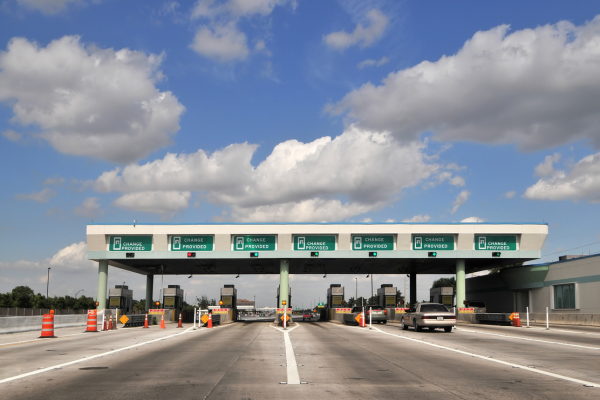
The Ministry of Road Transport and Highways is revising the toll pricing framework on national highways, which has remained mostly unchanged for the past three decades. The current methodology, formalized under the National Highways Fee Rules of 2008, relies on three parameters: vehicle operating cost, Vehicle Damage Factor (VDF), and users' willingness to pay. These parameters determine toll rates by calculating total road construction and maintenance costs, including a reasonable profit margin, and dividing it by estimated vehicle usage. Advertisement


While tolls are revised annually using the wholesale price index (WPI), the underlying formula has not been updated since its inception. With changes in highway quality, vehicle technology, traffic volumes, and users' ability to pay, the old model has become less reflective of actual costs. Recognizing this, the government has tasked NITI Aayog to review the methodology and propose a modern framework that better aligns charges with current conditions. Academic institutions are assisting in the study, and the recommendations are expected by the end of the current financial year.
The Vehicle Damage Factor is used to measure how different types of vehicles contribute to pavement wear, and it remains an important component in toll calculations. Vehicle operating costs, which have risen with fuel prices, maintenance, and newer vehicle technologies, also play a critical role in determining toll rates. The review aims to ensure that tolls remain fair for users while providing sufficient revenue for highway operators.
Currently, India has around 855 toll plazas across its national highways. Of these, roughly 675 are publicly funded, while the remaining 180 operate under public private partnership models. Toll collections reached around INR 73,000 crore in 2024-25, with the first six months of the current financial year recording INR 40,433.16 crore, up 18.6 % from INR 34,088.88 crore during the same period last year.
The revision comes as traffic volumes have increased, highway quality has improved, and public acceptance of toll charges has grown. The government aims to ensure that tolls are aligned with actual usage and cost burdens, providing fairness to commuters while keeping the financial model viable for operators. The updated framework could also influence future highway development projects and investment planning.

5th Jun, 2025

25th May, 2023

11th May, 2023

27th Apr, 2023
Advertisement





 Facebook
 Whatsapp
