Advertisement






Declining steel prices are causing serious issues for smaller producers at a time when India is planning large-scale capacity additions. According to Steel Secretary Sandeep Poundrik, around 150 small steel firms have halted production due to weak prices and margin pressure. The government has introduced provisional safeguard duties on steel imports, and implemented Quality Control Orders (QCOs) to protect domestic players while supporting long-term goals around self-reliance, green steel and specialty steel. The industry remains central to India's larger infrastructure and economic ambitions.
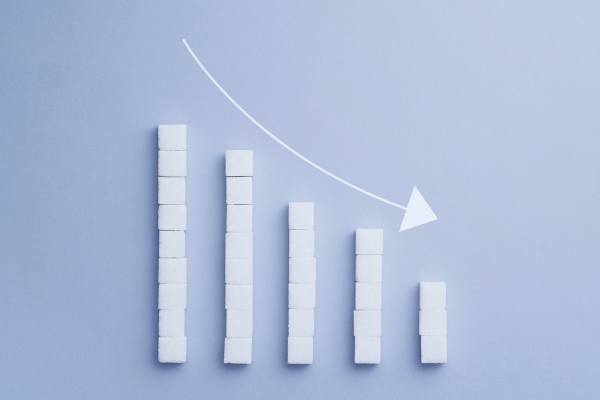
The government's steel secretary, Sandeep Poundrik, said that low steel prices are now a major challenge for smaller companies, especially as India aims to add about 100 million tonnes of capacity over the next five to seven years. He noted that, while steel prices were higher than usual around five years ago, they have since slipped below expected levels, affecting profitability for many. Advertisement


Poundrik reported that nearly 150 smaller producers have ceased operations because of the weak price environment, and that profit margins have shrunk for many of the larger firms as well. He emphasised that pricing becomes a particularly acute problem when large investments are required to ramp up capacity.
He pointed out that global surplus production, especially from China, and consequent dumping of steel into markets is reducing prices not only in India but globally. To counter this, the government has imposed provisional safeguard duties on steel imports so that domestic producers are not disadvantaged.
At the same time, he said the domestic market is expanding: steel consumption is rising and new capacity has been entering the market over the last decade to meet that demand. He stressed that the steel industry is a strategic sector for the country and that reliance solely on imports could pose risks, especially given current global geopolitical uncertainty.
Poundrik also addressed the common perception that India's steel industry is dominated by a handful of large firms, saying that about 47% of steel output comes from approximately 2,200 medium and small producers. He said the Ministry of Steel is working closely with the Ministry of Coal to increase the share of domestic coking coal for steelmaking, in order to strengthen raw-material security.
He further mentioned that hydrogen prices are dropping faster than anticipated, which could make hydrogen-based steelmaking a viable green alternative within the next five to ten years. He said that India also needs to accelerate investment in specialty steel, particularly as defence and other advanced sectors grow.
In support of quality and fair competition, the government has introduced QCOs to ensure both domestic and foreign steel producers adhere to the same standards, thereby preventing cheap or substandard steel from flooding the Indian market.
Industry speakers at the summit echoed the strategic importance of the sector. Koushik Chatterjee of Tata Steel pointed out that steel underpins India's infrastructure development, construction, transport, energy and manufacturing ecosystem. Under India's National Steel Policy, the country is targeting 300 million tonnes of capacity by about 2030-31 and 500 million tonnes by 2047.
Jayant Acharya of JSW Steel highlighted demand drivers such as rapid urbanisation, a growing middle class and rising discretionary spending. He said that the future of India's steel sector will rest on strategic investment, self-reliance and sustainability. He added that steel industry growth has had an elasticity of around 1.5 times relative to GDP in recent years, and that each plant also contributes to regional livelihood and development.
Source PTI

5th Jun, 2025

25th May, 2023

11th May, 2023

27th Apr, 2023
Advertisement





 Facebook
 Whatsapp
