Advertisement






The Delhi Jal Board (DJB) has begun setting up ten decentralised sewage treatment plants (DSTPs) across various areas of the city to help clean the Yamuna River. These smaller plants, located mainly along drains and villages lacking infrastructure, are expected to add around 30 million gallons per day (MGD) of sewage treatment capacity. The initiative is part of a larger effort to reduce the 400 MGD treatment gap in Delhi and will complement the 27 DSTPs approved earlier this year to serve Outer Delhi's population of about 3.5 million.
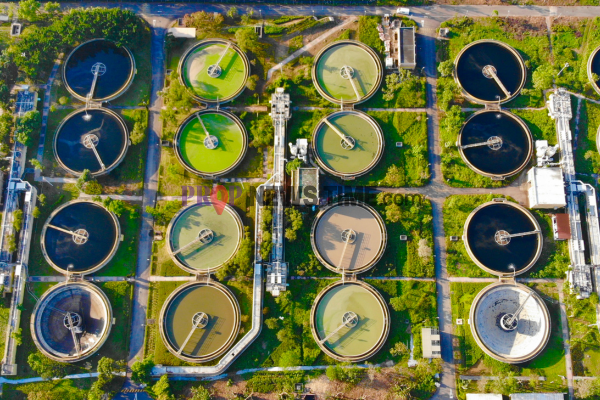
The Delhi Jal Board has initiated work on constructing ten decentralised sewage treatment plants across key areas of Delhi. The new plants are being developed to address the shortage of sewage-treatment facilities and improve the quality of water flowing into the Yamuna River. Advertisement


Officials said that instead of building large conventional sewage-treatment plants (STPs), which need more land and higher investment, the decentralised units are being established along drains and in localities where the sewage network remains incomplete. Tenders have already been floated for sites located in the Najafgarh drainage zone, Tikri Kalan, and villages such as Jaunti, Rindhala, Nizampur, and Sawda.
The new units are expected to collectively enhance Delhi's treatment capacity by around 30 MGD. This step forms part of the government's broader strategy to close the existing 400 MGD gap between sewage generated and treated in the city. According to Water Minister Parvesh Verma, several ongoing projects aim to strengthen the Delhi Jal Board's overall network through capacity enhancement and new decentralised facilities.
At present, the DJB operates 37 large-scale STPs across Delhi, most of which are managed by private operators. Despite these facilities, the city still lacks the ability to treat all the sewage it produces daily, resulting in untreated discharge entering the Yamuna.
In May, Chief Minister Rekha Gupta approved 27 additional decentralised sewage treatment plants across different localities. These upcoming plants are expected to cater to nearly 3.5 million residents in regions such as Najafgarh, Chattarpur, Matiala, Bijwasan, Mundka and Narela. Once completed, they are anticipated to significantly reduce the flow of untreated wastewater into nearby drains.
Officials said that decentralised treatment units are particularly suited for densely populated or semi-urban areas where connecting to large centralised networks is difficult. These plants can be installed on smaller land parcels and can operate close to sewage sources, reducing the load on main trunk sewers and lowering the cost of pumping wastewater over long distances.
The DJB's approach combines these decentralised systems with the upgradation of existing facilities, aiming to create a more balanced and distributed sewage network for the capital.
Source PTI

5th Jun, 2025

25th May, 2023

11th May, 2023

27th Apr, 2023
Advertisement





 Facebook
 Whatsapp