Advertisement






The Municipal Corporation of Delhi (MCD) has approved its fifth construction-and-demolition (C&D) waste-processing plant at Tehkhand, with an initial capacity of 1,000 metric tonnes per day (TPD) and plans to expand to 2,000 TPD. This will raise Delhi's total capacity to around 6,000 TPD, matching its daily generation of C&D waste. The facility will receive waste mainly from the South and Central zones, run on a 25-year concession and must ensure less than 10% of incoming waste ends up in landfill. Alongside, the MCD is setting up 14 new material-recovery facilities and expanding designated dumping sites.
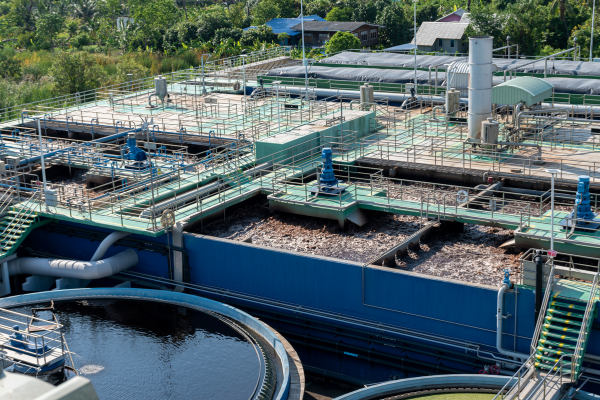
The MCD has finalised the agency that will construct its fifth C&D-waste-processing plant at Tehkhand in Delhi. The facility is meant to help the city manage large volumes of construction and demolition waste and reduce dust pollution along major roads. Advertisement


This Tehkhand plant is designed to start with a processing capacity of 1,000 TPD and expand to 2,000 TPD over time. With the four existing plants (at Bakkarwala, Jahangirpuri, Rani Khera and Shastri Park) currently handling around 5,000 TPD, the addition of Tehkhand will bring the city's total capacity to about 6,000 TPD. For context, Delhi generates roughly 6,000 TPD of C&D waste daily, so the new plant is critical for closing the gap.
The Tehkhand facility will focus on waste from the South and Central zones of the city. Under the project's terms, it will be built on about 7 acres of land in Okhla, structured on a build-operate-transfer (BOT) basis where the concessionaire handles design, construction, operation and maintenance for 25 years. The contractor must ensure that no more than 10% of the incoming waste ends up in landfill, using wet-process or equivalent technology to minimize dust.
Parallel to the new plant, the MCD has issued letters of intent for 14 decentralised material-recovery facilities (MRFs). These will help segregate waste at source, channel it for processing and reduce the burden on landfills. Additionally, the number of community dumping sites for C&D waste will increase from 106 to 200, supporting better collection and management.
On the pollution-control front, the civic body has also invested under the National Clean Air Programme (budget of INR 59 crore) to upgrade road infrastructure, deploy modified sprinklers and repair around 35 roads. Last year, about 17,000 potholes were repaired and teams formed to monitor open-waste burning, which is a major source of road-dust pollution.
By adding the Tehkhand plant and augmenting infrastructure for segregation and collection, the MCD aims to boost recycled output, extend the life of landfill sites and cut dust emissions along road networks.

5th Jun, 2025

25th May, 2023

11th May, 2023

27th Apr, 2023
Advertisement





 Facebook
 Whatsapp
