Advertisement






Dubai's rental market is seeing a major shift, with long-term agreements rising 17.3% year-on-year, according to Colife Dubai. Families, students, and expats are driving demand for stable housing, locking in yearly leases to save on rising rents-such as AED 14,999 per month for a two-bedroom in Dubai Marina versus AED 16,499 on short-term stays. September offers tenants wider choice and better deals before competition spikes in October and November. Popular long-term hubs include Dubai Marina, Downtown, Jumeirah Village Circle, Dubai Hills, and Al Barsha. With rental yields averaging 7-12%, the trend benefits both tenants seeking security and investors seeking reliable returns.
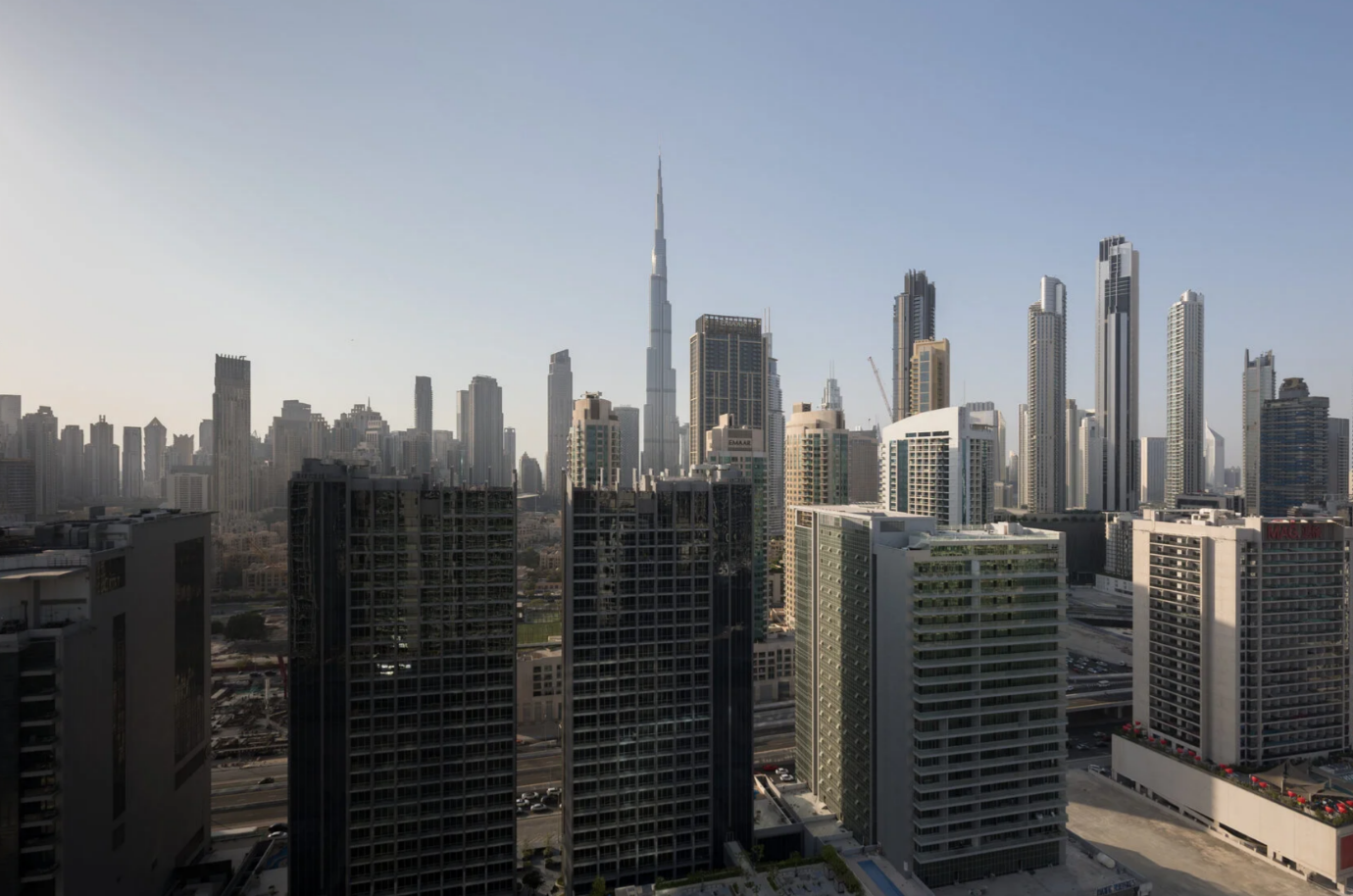
Dubai's real estate sector is undergoing a notable transformation, moving beyond its earlier reliance on short-term rentals and tourism-driven demand. In the past week, data from Colife Dubai indicated a 17.3% year-on-year rise in long-term rental agreements signed, signalling a structural change in tenant behaviour. More individuals now regard the emirate as a permanent base for their personal and professional lives. Advertisement


Several factors are propelling this preference for long-term rentals. The start of the school year each September pushes families to secure stable housing, while international students aim to live closer to universities. Rising rental prices are encouraging tenants to lock in current rates through longer leases, shielding themselves from future increases. Additionally, many expats and digital nomads are increasingly adopting a permanent residency mindset, viewing Dubai as a long-term lifestyle destination rather than a project base. Stability and convenience have also become key motivators, as long-term contracts provide security compared to the uncertainty of short-term arrangements.
Elena Fadeeva, Head of Sales at Colife, mentioned that price considerations play a crucial role, noting that entering long-term agreements enables tenants to secure housing while fixing costs for the entire lease period. For instance, a two-bedroom apartment in Dubai Marina costs about AED 16,499 per month on a short-term basis, whereas tenants on yearly contracts typically pay around AED 14,999 per month, resulting in notable savings.
Industry experts are describing September as a golden window for tenants due to a wider selection of apartments, greater negotiation opportunities with landlords, and lower competition ahead of the seasonal influx of expats in October and November. By contrast, tenant activity tends to surge in October, while November often sees peak competition, sharp rent increases, and limited availability of prime units. This situation urges tenants to make faster decisions and encourages landlords to capture long-term occupants before the winter demand spikes.
Long-term rental demand is concentrated in areas blending lifestyle and convenience. Dubai Marina is popular among young professionals, while Downtown Dubai attracts tenants for its central location and proximity to business hubs. Jumeirah Village Circle appeals to families and first-time expats due to its relatively affordable modern housing. Dubai Hills has become a choice for families seeking suburban comfort, with schools, parks, and retail nearby. Al Barsha and Academic City continue to be hubs for students owing to their proximity to educational institutions. Fadeeva remarked that families are increasingly favouring communities like Dubai Hills where essential amenities are within walking distance, adding that convenience is becoming a decisive factor in long-term choices.
Data from Betterhomes showed that during the first quarter of the year, tenants paying rent in one or two installments rose by 10?11%, reflecting their inclination towards stability. Simultaneously, investors are shifting their focus towards properties offering steady long-term yields in areas with sustained demand. With rental yields in Dubai averaging between 7% and 12% annually, the market remains appealing to both landlords and institutional investors. This highlights that the growth in long-term rentals is not solely driven by tenants, but also represents a strategic investment opportunity.
For tenants, this marks a crucial moment to secure stable housing, while for landlords and investors, it highlights the value of adapting to the evolving tenant profile by focusing on long-term lease strategies that align with Dubai's transformation into a city for building futures.

5th Jun, 2025

25th May, 2023

11th May, 2023

27th Apr, 2023
Advertisement





 Facebook
 Whatsapp
