Advertisement






Navi Mumbai International Airport, soon to be inaugurated by Prime Minister Narendra Modi, is expected to significantly enhance India's aviation infrastructure. Developed in phases with a total investment exceeding INR 19,500 crore, the first phase can handle 20 million passengers annually, with plans to expand capacity to 90 million across four terminals. Adani Group, holding 74% stake, aims to make the airport both a passenger and cargo hub, enabling direct international flights to Europe and the US. The project also includes India's largest MRO facility and a cargo capacity of 3.8 million metric tonnes.
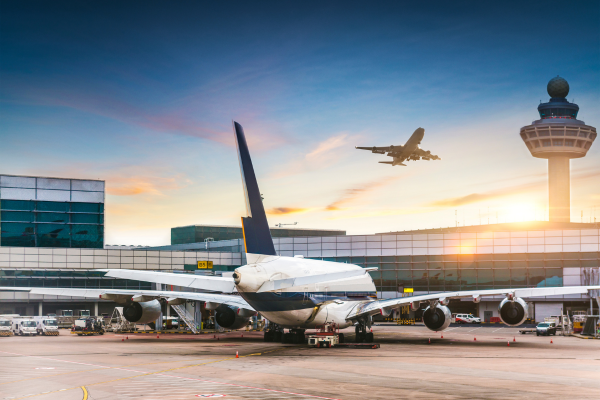
Navi Mumbai International Airport is preparing to begin operations, with its first phase able to accommodate 20 million passengers annually through a single terminal and runway. The airport, developed with an investment of around INR 19,500 crore, is expected to ease congestion at Mumbai's existing Chhatrapati Shivaji Maharaj International Airport while strengthening connectivity across the region. The aviation safety regulator DGCA recently granted its aerodrome license, enabling both domestic and international operations from day one. Advertisement


Adani Group, holding a 74% stake in the project alongside Maharashtra government's CIDCO, is developing the airport in multiple phases. Spread over 1,160 hectares, the fully completed facility will include four terminals with a combined passenger capacity of 90 million per year and a cargo handling capacity of 3.25 million metric tonnes, positioning it as one of Asia's largest aviation hubs.
AAHL CEO Arun Bansal highlighted that India currently lacks a global hub like Dubai, as no Indian carrier operates direct flights to all major European and US cities. He emphasized that the airport's infrastructure, coupled with airline expansion and regulatory support, will enable carriers like Air India and IndiGo to offer direct international flights, reducing dependence on Middle Eastern hubs.
Phase two, which will add a terminal capable of handling 30 million passengers annually, is set to begin construction within the current financial year with an expected investment of INR 30,000 crore and completion targeted by 2029. The airport's expansion will eventually allow a total capacity of up to 100 million passengers per year.
The facility will also host the country's largest MRO (maintenance, repair, and overhaul) center with five large hangars and a fully equipped cargo hub, aiming for 3.8 million metric tonnes of capacity. Bansal noted that India currently lacks a major cargo hub, with regional competitors like Shanghai leading the sector. With growing trade and the 'Made in India' initiative, Navi Mumbai is expected to play a critical role in positioning India as both a passenger and cargo aviation hub.
Bansal further pointed out that Mumbai's metropolitan region currently serves around 70-75 million passengers, highlighting the need for additional capacity. With improved connectivity and strategic location, Navi Mumbai International Airport will address regional limitations, attract new carriers, and support the growing demand for both domestic and international travel. Partnerships with airlines such as Akasa, IndiGo, and Air India are expected to fill initial capacity while accommodating future expansions and general aviation traffic.
Source PTI

5th Jun, 2025

25th May, 2023

11th May, 2023

27th Apr, 2023
Advertisement





 Facebook
 Whatsapp