Advertisement






Germany's home prices rose 3.2% in the second quarter, continuing a three-quarter streak of growth, though values remain 9% below 2022 levels amid high interest rates and inflation. Residential property shows signs of recovery, while office and retail spaces remain under pressure due to remote work and online shopping. Germany's property sector is a major economic contributor but has faced challenges from tighter financing and rising costs. Insolvencies have risen 33% this year, reflecting ongoing liquidity risks and highlighting the fragile state of the broader real estate market.
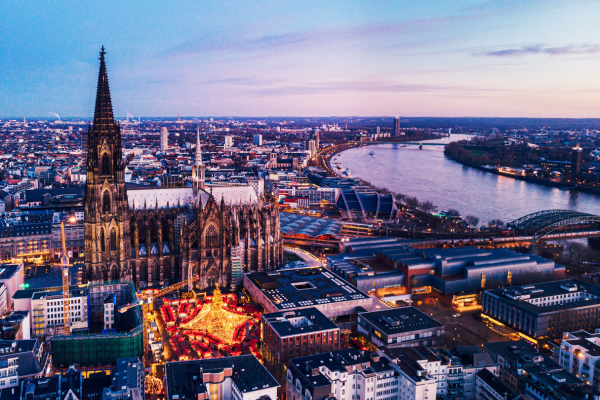
Home prices in Germany increased by 3.2% in the second quarter, marking the third consecutive quarterly rise as the property sector tries to regain momentum after a period of decline. This growth was slightly lower than the 3.5% increase recorded in the first quarter, which was also revised down from an initial 3.8%. Despite these gains, home values are still about 9% below the 2022 peak due to inflation and high interest rates. Advertisement


While residential property prices are showing some recovery, other areas of the real estate market, particularly office and retail spaces, continue to face stagnation. Changes in work habits, such as more people working from home, and the growth of online shopping have pressured these segments. Analysts expect parts of the market to remain under strain, influenced by weak economic conditions, trade tensions, and ongoing geopolitical challenges.
Germany has experienced economic contraction over the past two years, making it the only Group of Seven country in this situation, and the economy is forecast to grow only marginally this year. The real estate sector contributes roughly a fifth of Germany's economic output and nearly 10% of jobs, making it a significant part of the economy, even surpassing the car industry in impact.
The country's long-standing property boom, supported by low interest rates, affordable energy, and a strong economy, ended following a surge in post-pandemic inflation, prompting the European Central Bank to increase borrowing costs. The shift to remote work also reduced office occupancy rates. These factors caused a slowdown in financing, project delays, developer bankruptcies, and instability among some banks.
Real estate insolvencies have continued to rise, increasing by 33% in the year through August, according to consultancy Falkensteg. This represents the fourth consecutive year of sharp increases. Christian Alpers, head of Falkensteg Real Estate, noted that higher refinancing costs and stricter lending practices could create liquidity bottlenecks and push insolvencies even higher as property owners refinance expiring fixed-rate loans.
The overall picture shows a residential property sector gradually stabilizing while broader segments of the market and financing conditions remain fragile. Policymakers and investors are closely monitoring developments, given the sector's critical role in the German economy.
Source Reuters

5th Jun, 2025

25th May, 2023

11th May, 2023

27th Apr, 2023
Advertisement





 Facebook
 Whatsapp