Advertisement






The Mumbai Metropolitan Region Development Authority (MMRDA) has begun dismantling cycle tracks in the Bandra-Kurla Complex (BKC) as part of a traffic management plan to ease severe congestion. The project, which involves removing a 9-kilometer stretch of tracks built in 2021 at a cost of nearly INR 60 crore, will convert existing 2+2 lane roads into 3+3 lanes. The decision, which will cost an estimated INR 25 crore to implement, was made after the tracks were found to be largely underutilized while traffic volume continued to swell, a situation exacerbated by the closure of the Sion bridge.
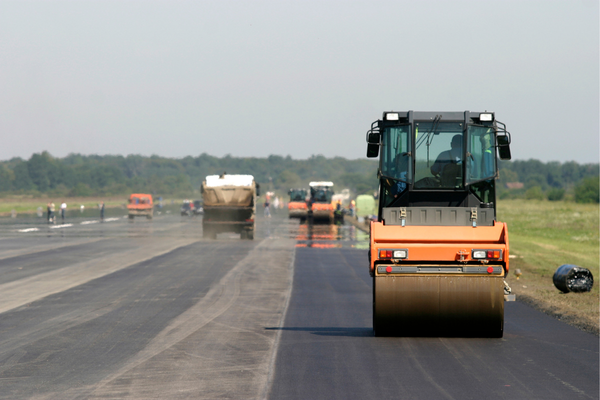
The Mumbai Metropolitan Region Development Authority (MMRDA) recently began dismantling the cycling tracks in the Bandra-Kurla Complex (BKC) to make way for an additional motor vehicle lane. The action, taken on a 9-kilometer stretch of tracks originally completed in 2021, is part of a wider road-widening and traffic management plan for the financial district. The dismantling and utility shifting work is estimated to cost around INR 25 crore, and will convert the existing 2+2 lane roads into a 3+3 lane configuration. Advertisement


Officials explained that the decision was driven by worsening traffic congestion, with daily traffic swelling to nearly six lakh people in the area. The existing cycle tracks were found to be largely unused and instead repurposed as a parking lot, while vehicle volumes surged well beyond initial projections, particularly after the closure of the Sion bridge. This new realignment is expected to improve travel times by up to 40 percent, with peak-hour travel potentially dropping from 25 minutes to 15, and signal wait times falling from 10 to 7 minutes. It is also projected to reduce carbon dioxide emissions during idling by 30 percent.
The traffic management plan, developed in coordination with the Mumbai Traffic Police, also includes implementing a one-way circulation system on internal roads in BKC. The plan was approved in a meeting that included officials from the MMRDA, the Brihanmumbai Municipal Corporation (BMC), metro rail, traffic police, and various other stakeholders. The new road lanes will add capacity for an additional 600 to 900 vehicles per lane.
Despite the move being welcomed by some office-goers, who found the tracks unusable and took up valuable road space, some transport experts have warned that widening roads alone might not be a long-term solution. They argue that without parallel investment in public transport and non-motorized modes, such a move could induce more car traffic and not solve the problem in the long run. The demolition and road conversion project is underway, with authorities prioritizing its completion before the onset of major festival season traffic.

5th Jun, 2025

25th May, 2023

11th May, 2023

27th Apr, 2023
Advertisement





 Facebook
 Whatsapp
