Advertisement






Punjab has revised its land-pooling policy to offer improved financial incentives, faster approvals, and wider inclusion of small landowners. Farmers now get INR 50,000 per acre upfront, INR 1,00,000 annually (with 10% hike for delays), and the option of both residential and commercial plots in return for contributed land. The updated policy applies to over 40,000 acres and assures no forced acquisition, no third-party interference, and full rights to farmers. Despite these changes, protests led by political and farmer groups continue, who claim the policy benefits developers at the cost of rural communities.
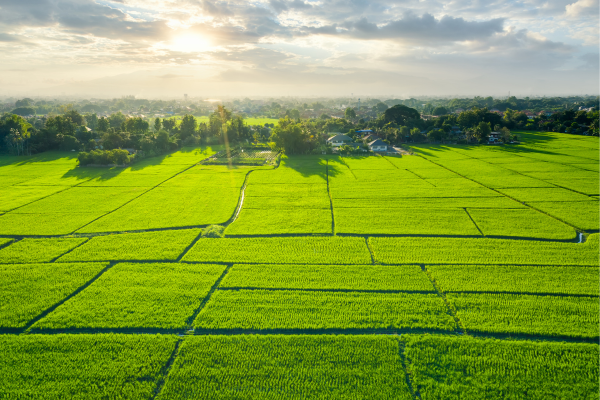
The Punjab government has rolled out a more generous version of its land-pooling policy for urban expansion, aiming to win over farmers and counter strong opposition criticism. The revised scheme, cleared by the state cabinet this past week, promises better compensation, faster processing, and greater transparency for land contributors. Advertisement


Under the new policy, farmers who voluntarily consent to contribute land for urban development will receive an upfront payment of INR 50,000 per acre. They will also be issued a Letter of Intent within 21 days of submitting their consent. Once the government takes possession of the land, these farmers will receive annual support of INR 1,00,000 per acre, with a 10% yearly increase in case development is delayed.
In return for each acre, farmers will receive a choice between two types of developed plots:
1,000 square yards of residential land plus 200 square yards of commercial land, or
1,200 square yards of residential land only.
The updated guidelines are notably more inclusive. Landowners holding as little as one kanal (1/8th of an acre) and up to seven kanals are now eligible for participation, a major shift from the previous criteria which largely excluded smaller landholders.
Importantly, the title of the land remains with the farmer throughout, and the policy does not involve any forced acquisition. Farmers are also allowed to continue agricultural activity on the land until actual development work begins. The government has clarified that no third-party involvement or middlemen will be entertained, and no development charges will be levied on contributors.
The revised policy will now apply to 40,000 acres spread across 164 villages situated near 27 urban towns across Punjab. The cabinet also indicated that feedback from farmer representatives and stakeholders will be used to further tweak the policy to ensure fairness and trust.
However, the new terms have not diffused opposition or protest. Political parties and farmer unions have continued to resist the scheme. They argue that despite the revised terms, the policy amounts to land being handed over to private developers under the guise of public interest.
Statewide protests erupted over the past week, with tractor marches, dharnas, and joint rallies by political and farmer leaders. The opposition has demanded complete withdrawal of the land-pooling plan, arguing that it undermines the rights of marginal farmers, Dalits, women, and tenants who may not be the legal title holders but depend on the land for livelihood.
The government continues to stand firm on its position, maintaining that the land-pooling policy is voluntary, transparent, and rooted in planned and inclusive urban development, unlike the traditional method of direct acquisition that often sparked conflict and compensation disputes in the past.

5th Jun, 2025

25th May, 2023

11th May, 2023

27th Apr, 2023
Advertisement





 Facebook
 Whatsapp