Advertisement






Over the past five to six years, Punjab has witnessed the sale of approximately two lakh properties with only around 1,500 buyer complaints, most of which relate to projects launched before RERA was enacted. Punjab-RERA Chairperson Rakesh Kumar Goyal credited the state's progressive approach and efficient grievance redressal for boosting consumer confidence. With nearly 3,000 registered projects and quick approvals, the real estate market in Punjab is gaining momentum. Meanwhile, officials from Delhi-RERA also echoed the transformative impact of the legislation, especially in curbing issues with pre-RERA developments.Read more

The Supreme Court has ruled that property registration alone does not guarantee legal ownership or transfer rights, placing the onus of due diligence squarely on the buyer. Registration only confirms procedural compliance; verifying title authenticity lies outside the registrar's scope. To prove valid ownership, buyers must present documents like the mutation certificate, tax receipts, title deeds, previous sale deeds, and encumbrance certificates-along with possession proof such as utility bills. The ruling is expected to tighten real estate documentation norms, reduce fraudulent transfers, and promote more transparent transactions. It marks a significant step toward legal clarity and stronger consumer protection in property dealings.Read more

The Noida Authority has approved a targeted redevelopment policy to upgrade aging group housing societies and EWS units, inspired by Mumbai's urban renewal model. Focused on leasehold properties in sectors like 27, 93, and 93A, the plan allows phased redevelopment via project-specific RFPs. It includes demolishing old EWS flats and replacing them with larger, modern units while offering temporary housing during construction. Developers may sell extra units created through an increased FAR limit of 3.5, up from 2. The policy aims to enhance living standards, optimize land use, and improve infrastructure across older Noida neighborhoods, addressing long-standing urban renewal needs.Read more

A PMAY housing lottery in Lucknow sparked protests after the UP Housing and Development Board gave preference to applicants able to pay the full amount upfront, sidelining those opting for installment payments. Of the 744 units in the draw, most were reissued homes from previous allotments where full payment had caused dropouts. Many low-income applicants, particularly for INR 5 lakh units, felt misled as the payment clause was not clearly highlighted. This marks the first time such a preference has been applied. An inquiry has been launched, with officials reviewing communication gaps. The move has raised broader concerns about equitable access to affordable housing.Read more

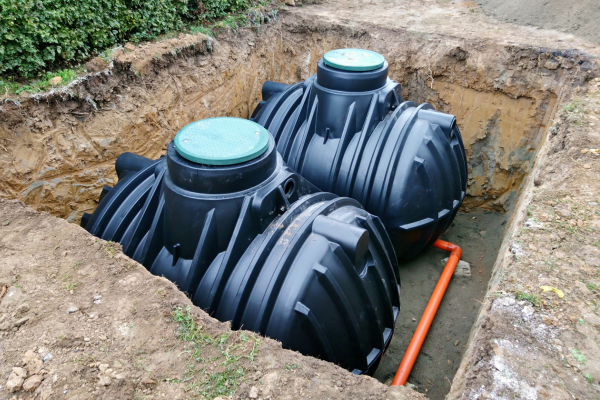
In a major move to combat groundwater depletion, the Uttar Pradesh government is expanding its rainwater harvesting programme under the 'Catch the Rain 2025' campaign. Building on the success of earlier efforts on 34,000 buildings, the new phase targets an additional 2.35 lakh government and semi-government structures. Led by the Jal Shakti Department, the initiative involves close coordination across districts and urban agencies. Sixteen districts have already achieved full coverage. Beyond infrastructure, the campaign aims for long-term water conservation by recharging aquifers. Regular monitoring ensures quality and accountability. This marks a shift toward sustainable water management in urban and peri-urban UP.Read more
Advertisement


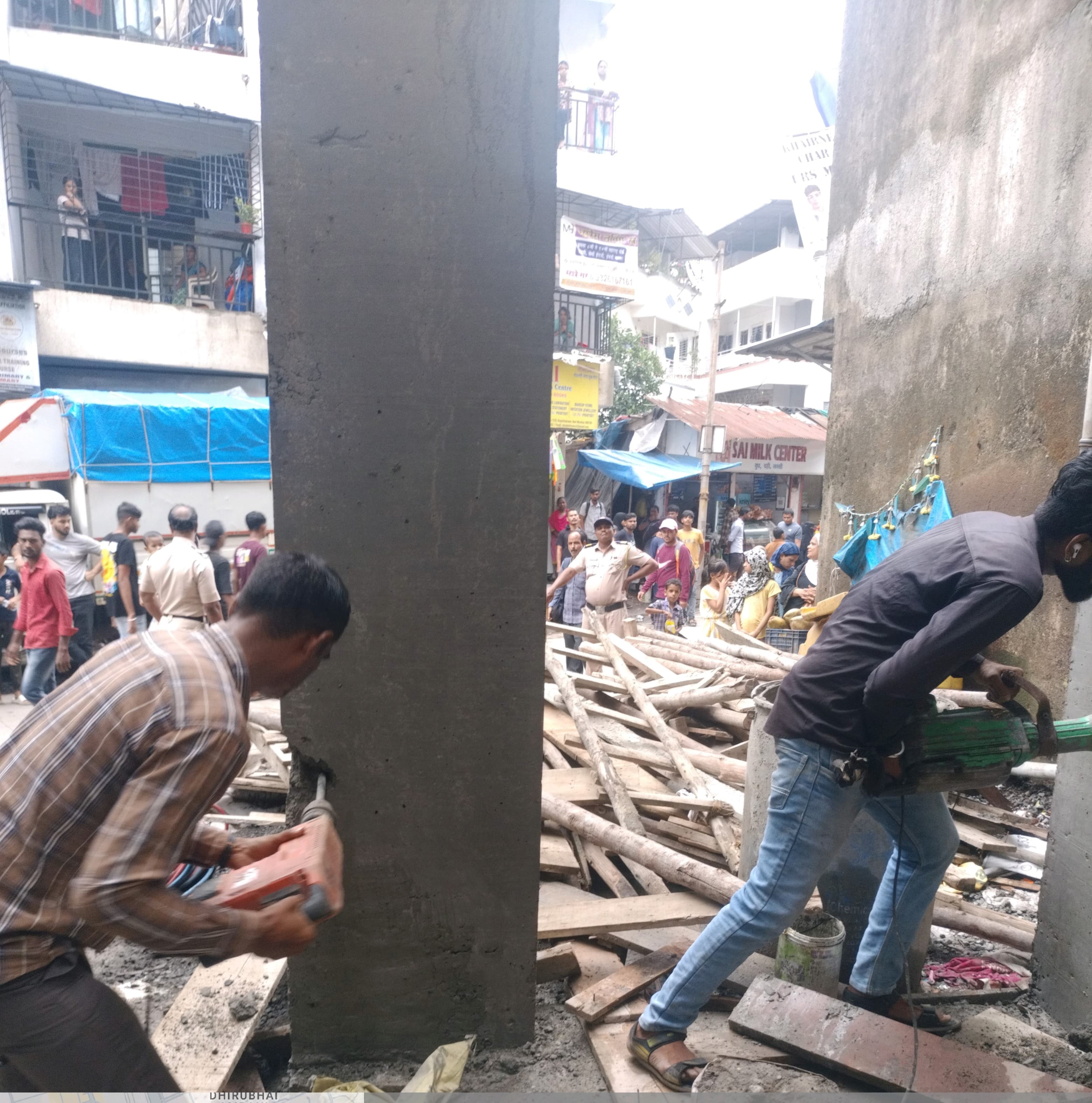
The Navi Mumbai Municipal Corporation (NMMC) recently undertook demolition drives targeting unauthorised constructions in the Koparkhairane and Airoli regions. Despite prior notices under Section 54 of the Maharashtra Regional and Town Planning Act, 1966, several individuals continued illegal construction activities without obtaining approvals. Under the directives of the Commissioner and senior civic officials, the encroachment department executed partial demolitions with the support of municipal staff and police personnel. The operations involved mechanical tools, labourers, and tight security deployment.Read more
TNRERA has mandated that all registered real estate projects in Tamil Nadu must display dedicated, easily visible boards with key project details. These 2x4 ft boards must face a public road and show the promoter's name, project name, RERA registration number, estimated completion date, and the TNRERA website. Developers must submit photo proof of the installed board, certified by their engineer or architect, as part of Form-C documentation. Non-compliance could delay project approvals. This move strengthens transparency and aligns with earlier display rules under Tamil Nadu's building regulations, ensuring buyers and the public can easily verify project status on-site.Read more
An ongoing investigation by the Yamuna Expressway Industrial Development Authority (YEIDA) has exposed that several allottees of industrial plots along the Yamuna Expressway are reselling land without initiating any manufacturing or business activity. Over 3,100 plots were allotted across key sectors such as 24, 24A, 30, 32, and 33, which are reserved for specialised industrial hubs like the Apparel Park, Toy Park, and Medical Device Park. At least 14 transactions have raised red flags for violating allotment terms. YEIDA has initiated strict enforcement measures, including issuing notices, reviewing transaction records, and preparing legal action. The crackdown is part of a broader push to ensure the land is used for industrial growth and employment generation, not speculative trading.Read more

Farmers giving land for Lucknow's IT City along Sultanpur Road are set to gain nearly 10 times more than traditional land acquisition offers, thanks to a voluntary land pooling model. Instead of cash, they receive a share in developed or undeveloped land, allowing them to benefit from future value growth. So far, over 350 bighas have been pooled. Spread across 2,858 acres, the project includes residential, industrial, commercial, and green zones. Improved road connectivity and strict development oversight by the LDA add to its appeal. Inspired by Pune's Magarpatta model, this approach promotes farmer-inclusive urbanisation with long-term benefits for landowners.Read more

The Navi Mumbai Municipal Corporation (NMMC) has identified 2,111 buildings that have failed to obtain mandatory occupancy certificates (OCs), despite having received commencement approvals. This list, published in compliance with a Bombay High Court directive, has been made publicly accessible via the NMMC website and ward offices. Developers and occupants have been asked to immediately approach the Town Planning Department to regularise their status. Failure to act could attract penalties under the Maharashtra Regional and Town Planning Act, 1966. The move is part of a broader drive to enhance building compliance and ensure residential safety across Navi Mumbai's expanding urban landscape.Read more
Advertisement