Advertisement






The Gulf conflict has disrupted global supply chains, pushed...
REITs have changed the way commercial real estate is owned a...
What really powers the cloud? Behind every Google search, A...
What really powers the cloud? Behind every Google search, A...
Luxury real estate is one of the most talked-about segments ...
The National Highways Authority of India (NHAI) has issued standardised design and infrastructure guidelines for implementing Multi-Lane Free Flow (MLFF) tolling on four-lane and wider National Highways. The framework is intended to enable barrier-free toll collection, allowing vehicles to pass through tolling points without stopping at physical booths. It specifies requirements for toll plaza layouts, lane configurations, gantries, road infrastructure, lighting, signage and supporting facilities. The guidelines will apply to future and under-construction highway projects, with projects at the Detailed Project Report stage required to incorporate the revised designs.
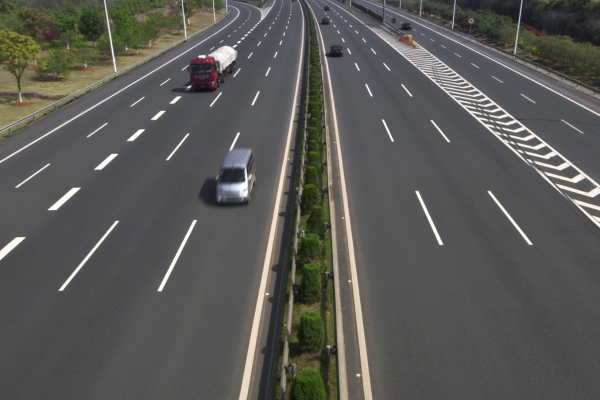
The National Highways Authority of India (NHAI) has issued guidelines to standardise the design and infrastructure of toll plazas on four-lane and wider National Highways as part of its plans to facilitate the adoption of Multi-Lane Free Flow (MLFF) tolling across the country. The framework is intended to equip upcoming and ongoing highway projects for barrier-free toll collection, enabling vehicles to pass through tolling points without stopping at conventional toll booths. The initiative aims to reduce traffic queues and waiting time, lower fuel consumption at toll plazas and improve movement along National Highways.
The guidelines prescribe uniform design requirements for toll plaza layouts, lane configurations, gantries, road infrastructure, lighting, signage and other supporting facilities. These specifications are intended to bring consistency to barrier-free toll plaza infrastructure across different configurations of National Highways and establish a common framework for implementing MLFF systems.
The policy also rationalises the number of lanes required at toll plazas compared with conventional facilities. Since vehicles will be tolled without stopping at physical barriers, the revised design is expected to make more efficient use of the available space within tolling zones and facilitate smoother traffic movement. The placement of gantries and associated road safety infrastructure will be guided by the standardised specifications.
Safety and information facilities form part of the prescribed infrastructure. The guidelines provide for adequate lighting and advance guidance to motorists through appropriate signage and Electronic Variable Message Signs (VMS). These facilities are intended to improve visibility around tolling zones and provide highway users with relevant information while approaching and passing through the tolling infrastructure. The framework also includes an administrative building-cum-operations and maintenance centre to support toll plaza management and upkeep.
The new requirements will apply to all future and under-construction National Highway projects. Projects currently at the Detailed Project Report (DPR) stage will have to incorporate the standardised designs into their project documents. For projects that have already been awarded or are under construction, the changes will be adopted through the applicable contractual provisions.
NHAI field offices have been directed to incorporate the prescribed requirements into upcoming projects and facilitate their adoption in ongoing developments. This implementation framework is intended to ensure that the transition towards barrier-free tolling is considered during project planning as well as in the execution of highway infrastructure.
The guidelines mark a move towards standardising the physical infrastructure required for MLFF toll collection across the National Highway network. Their implementation will depend on incorporating the specifications into project designs and applying the required changes to ongoing contracts.
Source PTI

17th Nov, 2026

17th Nov, 2026


17th Nov, 2026




17th Nov, 2026


17th Nov, 2026
Advertisement








 Facebook
 Whatsapp

