Advertisement






The Gulf conflict has disrupted global supply chains, pushed...
REITs have changed the way commercial real estate is owned a...
What really powers the cloud? Behind every Google search, A...
What really powers the cloud? Behind every Google search, A...
Luxury real estate is one of the most talked-about segments ...
The external debt of low- and middle-income countries rose 5.5 per cent to a record USD 9.4 trillion in 2025, the biggest yearly rise since 2021, according to the World Bank’s annual International Debt Report. Borrowing from private creditors jumped nearly 35 per cent to USD 251 billion, a five-year high. The poorest countries paid an average of 8.2 per cent on new private loans, the highest since 1989. Debt service payments reached USD 1.4 trillion, and a weaker US dollar accounted for over 28 per cent of the rise in debt.
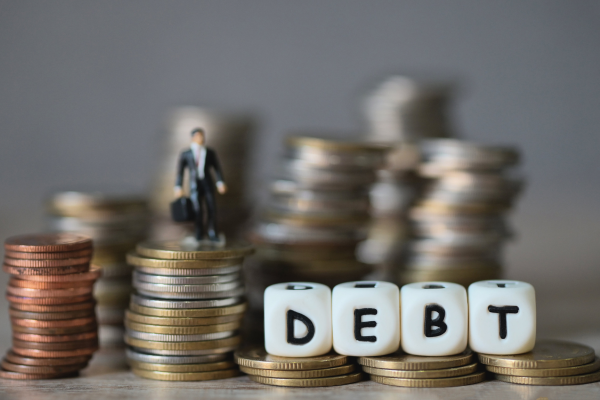
Low- and middle-income countries are taking on more debt and paying more to borrow, according to the World Bank. Its annual International Debt Report, released this week, shows that the external debt of these countries rose 5.5 per cent to a record USD 9.4 trillion in 2025. This was the largest annual increase since 2021, the year just after the COVID-19 pandemic. In its previous report, the Bank had put the combined external debt of these countries at a record USD 8.9 trillion for 2024.
The Washington-based lender said countries continued to borrow through international bond markets in 2026. It added that this raised serious questions about whether the terms of such borrowing were sustainable and whether the money raised was reaching the people and places that needed it most. The Bank warned that the rising debt could squeeze out essential spending on education, infrastructure, health and jobs.
While access to international finance has improved, the poorest developing countries paid an average of 8.2 per cent on new commitments from private creditors, the highest rate since 1989. On new bonds, they paid 9.4 per cent. In comparison, countries not eligible for low- and zero-interest loans under the International Development Association (IDA) paid an average of 5.5 per cent on new bonds, down from 5.8 per cent in 2024.
Officials from the World Bank and other international financial institutions have been raising concerns in recent months about high debt levels and the impact of higher interest rates on developing countries.
The report said borrowing from private creditors and bond issues by public entities in these countries rose nearly 35 per cent to USD 251 billion, the highest level in five years. External debt grew fastest among IDA-eligible countries, rising 8.1 per cent to USD 1.3 trillion in 2025. The previous report had shown that 78 mainly low-income countries eligible to borrow from IDA owed a record USD 1.2 trillion.
Haishan Fu, the World Bank’s chief statistician, said the return of private lending to low- and middle-income countries was welcome. However, she noted that these countries were borrowing more and paying more, and in many cases were left with less for long-term development. She added that managing debt responsibly meant giving everyone, including future generations, a chance to thrive.
According to the report, many governments issued new bonds to buy back debt that was nearing maturity. This stretched out their repayment schedules, but often at higher interest rates and without any major cut in total debt. Demand has kept rising this year despite the high costs. By mid-August, more than 10 countries had already crossed their full-year bond issuance for 2025, while several others returned to international markets.
Low- and middle-income countries paid USD 1.4 trillion in principal and interest in 2025, the fifth straight yearly rise. This was driven by a 13.7 per cent increase in payments to private creditors, which reached USD 363 billion. Between 2022 and 2025, developing countries paid USD 436 billion more in debt service than they received in new financing. The trend changed in 2025, when they recorded a net inflow of USD 45 billion.
The sharp fall in the US dollar also hit developing countries hard, as it raised the dollar value of debt held in other currencies. The weaker dollar accounted for over 28 per cent of the rise in their debt. Several of the largest borrowers from reduced-interest facilities ended 2025 with higher debt balances despite continuing to make repayments.
The report warned that higher debt service costs could lead to weaker investment, fewer opportunities and greater exposure to shocks. It added that countries with heavier debt burdens tended to see more people unable to afford a healthy diet when external shocks hit. Last year’s report had found that in the 22 most heavily indebted countries, where external debt exceeds 200 per cent of export revenue, an average of 56 per cent of people could not afford the minimum daily diet.
The Bank also called for continued efforts to improve transparency on debt deals, strengthen standards and close data gaps. It noted that new creditors, instruments, guarantees and financing arrangements could make it difficult to understand a country’s full debt exposure.
For borrowing countries, the challenge ahead lies less in finding lenders and more in the cost and purpose of each new loan. With bond demand still strong this year, governments will need to judge whether fresh debt is funding projects that lift growth and incomes, or simply rolling over old dues at a higher price. Clear disclosure of loan terms, guarantees and newer forms of financing will also matter, since lenders, citizens and institutions alike need a full picture of each country’s debt to spot risks before the next shock arrives.
Source Reuters

17th Nov, 2026

17th Nov, 2026

17th Nov, 2026

17th Nov, 2026


17th Nov, 2026


17th Nov, 2026

Advertisement








 Facebook
 Whatsapp

