Advertisement






The Gulf conflict has disrupted global supply chains, pushed...
REITs have changed the way commercial real estate is owned a...
What really powers the cloud? Behind every Google search, A...
What really powers the cloud? Behind every Google search, A...
Luxury real estate is one of the most talked-about segments ...
Bajaj Finance Limited (BFL), part of Bajaj Finserv, conducted a cyber fraud awareness programme at TSWREIS Junior College for Girls in Ramreddygudem, Mahbubnagar, Telangana, on November 5, 2026, under its ‘Knockout Digital Fraud’ initiative. The programme brought together around 250 students, faculty members, police representatives and company officials to discuss online scams and financial fraud. A Cyber Crime police inspector explained common threats, including phishing, digital arrest scams, fraudulent loan offers, OTP theft, malicious mobile applications and impersonation. Participants were also advised on safe digital transactions, protecting personal and banking information, and reporting cybercrime through the national helpline 1930. The initiative forms part of Bajaj Finance's wider community outreach programme to improve public awareness of digital financial risks.
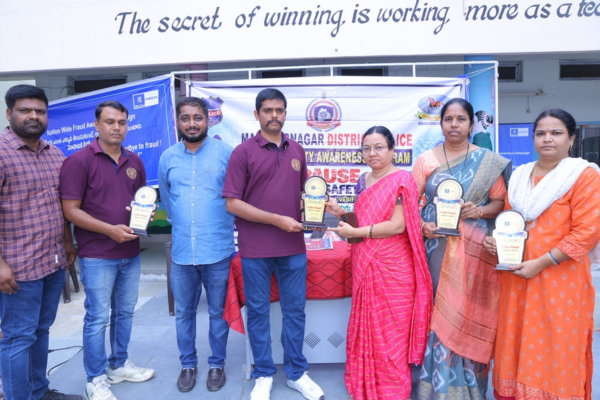
Bajaj Finance Limited (BFL), the non-banking financial company (NBFC) arm of Bajaj Finserv, organised a cyber fraud awareness programme for around 250 students at TSWREIS Junior College for Girls in Ramreddygudem, Mahbubnagar, Telangana, on November 5, 2026. Conducted under its ‘Knockout Digital Fraud’ initiative, the programme aimed to educate students about emerging cyber threats and financial scams, with participation from college faculty, police representatives and Bajaj Finance officials.
Sri Shravan Kumar, inspector of police, Cyber Crime, addressed the participants and explained various methods used by fraudsters to target individuals through digital platforms. These included phishing attacks, fraudulent investment schemes, digital arrest scams, fake loan offers, malicious APK files, suspicious links, OTP fraud, WhatsApp scams, QR code fraud and impersonation.
He cautioned students against fraudulent calls in which scammers impersonate police officers and bank officials, using false allegations and threats to create panic and extract money or confidential information. He advised them not to disclose personal or banking details or transfer funds in response to suspicious communications. He also highlighted the risks associated with unknown WhatsApp video calls and fraudulent requests for Aadhaar or bank account verification.
The police inspector emphasised the importance of awareness and verification before responding to digital communications or sharing sensitive information. He also encouraged students to develop communication skills, maintain consistent study habits and make effective use of their educational opportunities. He highlighted confidence, curiosity and dedication as important attributes for professional development, alongside academic performance.
The programme also covered precautions for online financial transactions and responsible sharing of personal information. Students were encouraged to report cyber fraud incidents promptly through the national cybercrime helpline 1930.
The event was attended by Sri Avinthika and Sri Anitha Rani, lecturers at TSWREIS Junior College for Girls, along with Sri Raghavendra B., area manager (RCU), and Sri Mahender Reddy, manager, Bajaj Finance's Mahbubnagar branch.
The ‘Knockout Digital Fraud’ initiative is aligned with the Reserve Bank of India's focus on strengthening fraud risk management and public awareness. It addresses common financial scams involving fake social media accounts, fraudulent WhatsApp groups, phishing links, malicious mobile applications and websites impersonating financial institutions or their employees.
A Bajaj Finance spokesperson said the company considered consumer financial safety a priority and continued to issue online and offline advisories through social media platforms and direct community engagement. The company also conducts awareness workshops, digital safety campaigns and outreach programmes across cities and towns in India.
As part of the initiative, consumers are advised not to share one-time passwords (OTPs), personal identification numbers (PINs) or banking credentials, click on suspicious links or QR codes, or download applications from unverified sources. The campaign also encourages individuals to verify the authenticity of digital communications before acting on financial requests.

16th Nov, 2026




13th Nov, 2026

11th Nov, 2026



10th Nov, 2026

Advertisement








 Facebook
 Whatsapp

