Advertisement






The Gulf conflict has disrupted global supply chains, pushed...
REITs have changed the way commercial real estate is owned a...
What really powers the cloud? Behind every Google search, A...
What really powers the cloud? Behind every Google search, A...
Luxury real estate is one of the most talked-about segments ...
The Telangana government has denied allegations of environmental violations and unauthorised development in the proposed Future City project, telling the National Green Tribunal (NGT) that no development activity requiring prior environmental clearance has been undertaken. In a counter-affidavit, the Future City Development Authority (FCDA) said it had not approved any layouts, townships or buildings in the notified area. It also clarified that a tender for preparing the project's vision and master plan was not related to construction or infrastructure execution.
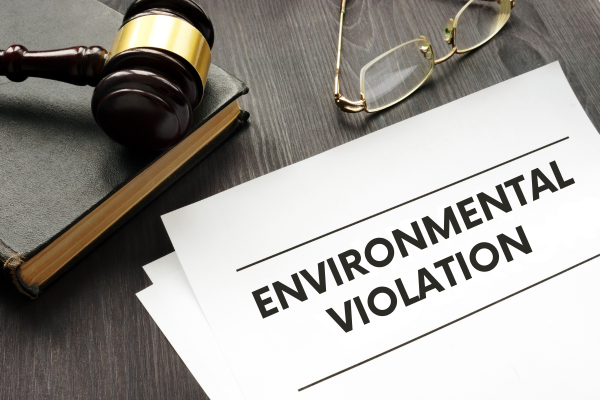
Telangana has defended its proposed Future City project before the National Green Tribunal (NGT), denying allegations that development activities have commenced without mandatory environmental clearances.
In a counter-affidavit filed before the NGT's Southern Zone Bench in Chennai in Original Application No. 54 of 2026, Future City Development Authority (FCDA) Commissioner K Shashanka rejected the allegations of environmental violations and unauthorised development. The authority maintained that it had neither undertaken nor approved any township, infrastructure project or other development activity of the nature described in the petition.
The petition was filed by environmentalist Donthi Narasimha Reddy, who raised concerns over the proposed development and alleged that activities were being carried out without obtaining the necessary environmental approvals. The state, however, has argued that the allegations are not supported by the activities undertaken by the authority.
According to the counter-affidavit, the FCDA has not granted any layout, township, building or development permissions within its notified jurisdiction. It also stated that no proposal requiring prior environmental clearance had been received or considered by the authority. The FCDA said it functions as a planning and development body and is not itself a real estate project proponent.
The authority was established as a special area development authority under the Telangana Urban Areas (Development) Act through Government Order No. 69 in March 2025. Its jurisdiction extends across 56 revenue villages, covering an area of 765.28 sq km.
Addressing concerns over a tender cited in the petition, the FCDA said it had been issued through the government's e-procurement platform solely to appoint a consultant for preparing the Future City Vision and comprehensive master plan. The authority clarified that the exercise was not connected with infrastructure execution or the commencement of construction work.
The counter-affidavit also addressed questions surrounding the proposed FCDA office at Meerkhanpet. The authority said the building, for which the government had sanctioned 19 crore, was intended for administrative purposes and was not part of a township or development project.
The FCDA further disputed information attributed to a website described as being associated with the authority. It stated that the website was neither owned nor maintained by it and said action had been initiated to file a criminal complaint against those responsible for creating or operating the unauthorised platform.
The authority also maintained that references to Hyderabad Pharma City, land conversion, village resettlement and industrial activities concerned other agencies or projects and should not be treated as evidence of development undertaken by the FCDA.
The state's response places the dispute around whether the establishment of a planning authority, preparation of a master plan and construction of an administrative office amount to the commencement of activities requiring environmental clearance. The FCDA has maintained that these steps do not constitute approval or execution of a township or infrastructure project.
The matter remains before the NGT, which will consider the submissions made by the petitioner and the state authority. The counter-affidavit represents the FCDA's position in the proceedings and does not, by itself, amount to a final determination of the environmental issues raised in the petition.

16th Nov, 2026


13th Nov, 2026

11th Nov, 2026


10th Nov, 2026

Advertisement








 Facebook
 Whatsapp

