Advertisement






The Gulf conflict has disrupted global supply chains, pushed...
REITs have changed the way commercial real estate is owned a...
What really powers the cloud? Behind every Google search, A...
What really powers the cloud? Behind every Google search, A...
Luxury real estate is one of the most talked-about segments ...
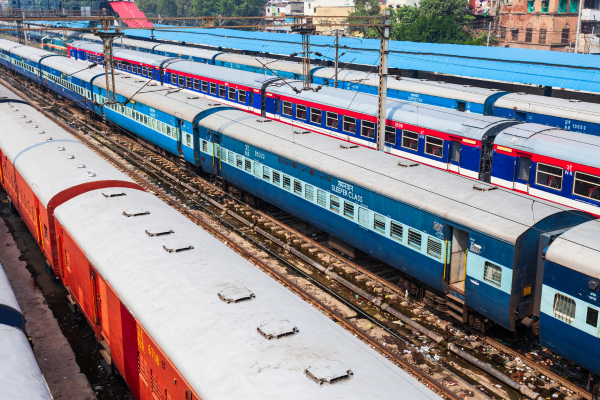
The Delhi High Court has directed the railways to ensure adequate crowd-management arrangements at stations expected to witness large passenger footfall, with a senior officer required to review preparedness at least one week before such events. The review must be conducted in coordination with the Delhi Police and other relevant agencies. Hearing a petition arising from the February 2025 New Delhi railway station stampede, which claimed 18 lives and injured 15 people, the court stressed implementation of existing procedures and accountability rather than framing a fresh standard operating procedure.

The Delhi High Court has directed the railways to strengthen the implementation of existing crowd-management procedures at railway stations ahead of events expected to attract large numbers of passengers. Justice Amit Mahajan instructed that a senior railway officer should review the arrangements at least one week before such events, in coordination with the Delhi Police and other relevant agencies. The directions came during proceedings relating to the February 15, 2025, stampede at New Delhi railway station, in which 18 people died and 15 others were injured. The court emphasised that effective execution of existing measures was more important than introducing another standard operating procedure.
The petitioners had travelled to the station holding tickets for the Magadh Express to Prayagraj but alleged that severe overcrowding prevented them from boarding the train. They were present at the station when the stampede occurred. One of the petitioners is a person with disability. The plea initially filed as a public interest petition was subsequently treated as an individual civil writ petition. The petitioners had sought relief for those affected by the incident, including compensation for victims and refunds of ticket fares. The court's reported directions, however, do not provide for compensation.
During the proceedings, the court noted that the Railway Board had already issued procedures and circulars addressing crowd management during periods of high passenger movement. These cover arrangements such as designated holding areas, access control, CCTV surveillance and passenger information systems. The court observed that the railway administration's affidavit largely outlined measures proposed for the future rather than demonstrating their implementation on the ground. The only operational measure specifically identified in the affidavit was a holding area on the Ajmeri Gate side of New Delhi railway station, which was commissioned on October 11, 2025.
The holding area has a stated capacity of approximately 7,000 passengers and is equipped with 22 ticket counters. The court also took note of the passenger volume recorded at the station, which handled 3,29,527 passengers on October 24, 2025. The figures underline the pressure that major railway stations can face during festive periods, special events and peak travel days. The court's observations highlighted the need for arrangements to be assessed against actual passenger movement, rather than relying only on policy documents or assurances that additional facilities would be introduced.
The court directed the railways to strictly implement the existing Railway Board instructions, including communications issued on May 1, May 30, July 2, November 28 and December 16, 2025. The nominated senior officer must prepare a written report detailing the arrangements made and the steps taken to manage passenger movement. The report and supporting records must be maintained and kept ready for production before a court or other competent authority if an incident occurs. The directions place emphasis on advance planning, coordination between agencies and documented responsibility, with the objective of ensuring that existing crowd-control measures translate into effective arrangements at stations during periods of heavy passenger traffic.

17th Nov, 2026

17th Nov, 2026

17th Nov, 2026


16th Nov, 2026


16th Nov, 2026

16th Nov, 2026
16th Nov, 2026
Advertisement








 Facebook
 Whatsapp

