Advertisement






The Gulf conflict has disrupted global supply chains, pushed...
REITs have changed the way commercial real estate is owned a...
What really powers the cloud? Behind every Google search, A...
What really powers the cloud? Behind every Google search, A...
Luxury real estate is one of the most talked-about segments ...
Generation Z employees in India prefer spending an average of 3.4 days a week in the office and place importance on reliable Wi-Fi, public transport connectivity and access to wellness facilities, according to research by Savills. The global survey, conducted under the property consultancy’s Impacts thought leadership programme, examined workplace, housing and lifestyle preferences across generations. While Gen Z respondents favour more office days than younger and older Millennials, their preference is closer to that of Generation X and Baby Boomers. The findings also show that 46% of Gen Z respondents have commutes of at least 41 minutes, reflecting the location of more affordable housing outside city centres. Restaurants remain the most popular nearby amenity across age groups, while gyms and Pilates studios have particular appeal among younger employees.
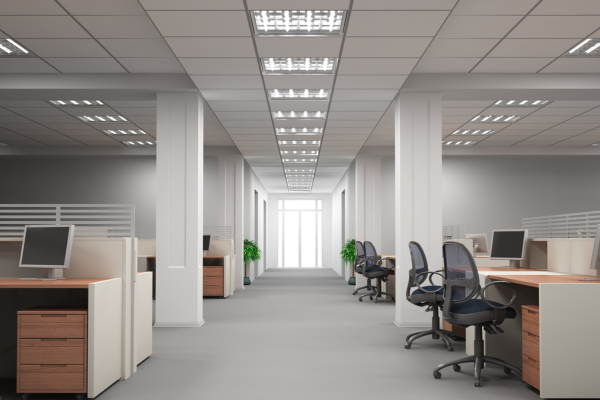
Generation Z employees prefer to work from the office for an average of 3.4 days a week and place importance on reliable internet connectivity, access to public transport and nearby wellness facilities, according to research released by Savills on 3 November. The global survey, conducted by Savills World Research under its Impacts thought leadership programme, examined generational differences in housing, workplace and lifestyle preferences, highlighting the requirements of younger employees as they become a larger part of the workforce.
The findings show that Gen Z, defined in the survey as those born between 1997 and 2012, has a higher preferred office attendance than younger and older Millennials. Younger Millennials prefer 3.2 days in the office each week, while the figure for Elder Millennials is 3.3 days. Generation X and Baby Boomers both prefer an average of 3.5 days. Although respondents across all generations currently attend their workplaces for approximately four days a week, Gen Z's preference indicates that it does not necessarily favour the lowest level of in-person attendance. All Gen Z respondents also considered work-life balance either moderately or extremely important.
Reliable, high-quality Wi-Fi emerged as the most important office amenity across all age groups. However, public transport connectivity carried greater importance among younger respondents, while access to meeting rooms ranked higher with older generations. The findings indicate that younger employees value workplaces that facilitate interaction and provide opportunities for learning, professional development and social engagement.
In terms of workplace activities, Gen Z respondents placed greater importance on team collaboration, social connection and learning opportunities. The survey also examined preferences for individual work, work-life separation and in-person client meetings, comparing the responses of Gen Z with those of other generations.
Commuting patterns emerged as another significant consideration. Around 46% of Gen Z respondents reported travelling for 41 minutes or longer to reach their workplace, making them the generation with the longest commutes in the survey. Savills attributed this pattern partly to the location of more affordable housing outside city centres, which increases the importance of offices being accessible through public transport networks.
The survey also assessed the local amenities employees prefer near their workplaces. Restaurants ranked as the most popular facility across every generation. However, gyms and wellness centres attracted stronger interest among younger respondents. When asked to identify specific facilities, Gen Z participants showed a preference for gyms and Pilates studios over other wellness options, including health food stores and padel or tennis courts. Coffee shops, cafes, shopping destinations, cinemas, theatres, museums and galleries were also included in the assessment.
Arvind Nandan, Managing Director of Research and Consulting at Savills India, said the findings highlighted the need for office environments that support collaboration, career development and employee well-being. He noted that workplace design, reliable technology and connectivity would influence how meaningful office attendance was for employees, while public transport access and nearby lifestyle amenities would remain important considerations.
Kelcie Sellers, Associate Director in the Savills World Research team, said the real estate sector would increasingly need to respond to Gen Z preferences as the generation's oldest members turned 29 in 2026. She added that developers, employers and governments would need to identify differences in expectations across generations and assess how these could influence demand, presenting both challenges and opportunities for real estate markets.

17th Nov, 2026

17th Nov, 2026


17th Nov, 2026




17th Nov, 2026


17th Nov, 2026
Advertisement








 Facebook
 Whatsapp

