Advertisement






The Gulf conflict has disrupted global supply chains, pushed...
REITs have changed the way commercial real estate is owned a...
What really powers the cloud? Behind every Google search, A...
What really powers the cloud? Behind every Google search, A...
Luxury real estate is one of the most talked-about segments ...
Advanced facade engineering can help developers reduce building operating costs, improve energy performance and extend the service life of building components. The building envelope accounts for a significant share of upfront construction capital expenditure and influences ongoing energy consumption. Technologies such as thermally broken curtain walls, ventilated rainscreen cladding, dynamic solar shading, self-cleaning glass coatings, structural silicone glazing and double-skin facades address different performance challenges. These systems can reduce heat transfer, control moisture, limit solar heat gain, lower cleaning requirements and improve acoustic insulation. Their long-term value depends on how effectively they reduce maintenance needs and total cost of ownership over a building’s life cycle.
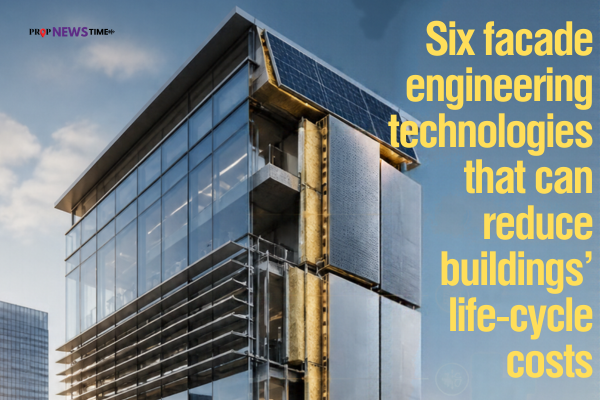
A building facade is more than an exterior design feature. It influences heat transfer, energy consumption, moisture protection, maintenance requirements and indoor comfort throughout a building’s operational life. Although the building envelope can account for up to 20% of upfront construction capital expenditure (CapEx), it also affects 30–40% of ongoing operational energy consumption. Advanced facade engineering focuses on improving these performance characteristics to reduce the total cost of ownership (TCO) over a 30- to 50-year life cycle. Six technologies demonstrate how facade systems can contribute to energy efficiency, structural protection and lower maintenance expenditure.
1. Thermally broken curtain walls
Conventional aluminium framing can transfer exterior heat into air-conditioned interiors during summer and allow indoor heat to escape during winter. Thermally broken curtain walls address this problem by incorporating low-conductivity polyamide or polyurethane isolators within aluminium profiles, reducing thermal bridging and lowering the overall heat transfer rate of the facade. Improved thermal performance can reduce peak cooling and heating loads, potentially allowing mechanical engineers to specify smaller HVAC chiller capacities and lowering annual energy consumption. The supplied estimates indicate that chiller capacity requirements could decrease by 15–25%, depending on system performance and project conditions. By reducing the amount of heat passing through the building envelope, these systems can help limit energy expenditure throughout the building’s operational life.
2. Ventilated rainscreen cladding
Direct-applied exterior finishes can expose structural concrete and masonry to weathering, thermal expansion and moisture ingress. Ventilated rainscreen cladding uses an outer panel, a continuous air cavity and an inner insulation layer to create a protective facade system. The cavity provides a drainage route and supports natural stack ventilation, helping remove moisture and accumulated solar heat. By reducing moisture retention, the system can help prevent structural corrosion, concrete spalling and indoor mould growth, protecting the primary building structure over time. The supplied information indicates that rainscreen systems can reduce facade maintenance costs by up to 60% compared with sealed, directly fixed stucco or masonry finishes. The potential savings arise from limiting weather-related deterioration and reducing the need for repeated repairs.
3. Dynamic solar shading and louvers
Static glass facades can allow substantial solar heat gain, increasing the demand on air-conditioning systems to maintain indoor temperatures. Dynamic solar shading technologies, including automated louvers, motorised solar fins and electrochromic glass, respond to changing sunlight conditions through solar-tracking sensors and Building Management System (BMS) inputs. The systems adjust the angle of shading elements or the tint of the glass to limit direct solar radiation before it enters the building. This can reduce peak daytime cooling loads, help manage electricity demand and limit the pressure placed on central HVAC compressors during periods of intense sunlight. By moderating solar heat gain, dynamic shading can contribute to lower operating expenditure while supporting more consistent indoor conditions.
4. Self-cleaning hydrophobic and photocatalytic coatings
Cleaning glass facades on high-rise commercial buildings can involve frequent exterior window-washing operations, specialist access equipment and associated maintenance and safety costs. Self-cleaning glass coatings use materials such as titanium dioxide (TiO) to help break down organic dirt under sunlight, while hydrophilic surfaces allow rainwater to spread evenly across the glass and wash away loosened debris. This process can reduce the accumulation of visible dirt and the need for frequent professional cleaning. According to the supplied estimates, cleaning frequency could fall from four to six times annually to once every 18–24 months. Over a building’s operational life, reduced cleaning requirements could lower expenditure on window-cleaning contracts, facade access equipment maintenance and associated liability insurance.
5. High-performance structural silicone glazing
Conventional organic polyurethane or acrylic sealants can deteriorate under ultraviolet radiation, atmospheric ozone and repeated thermal expansion and contraction, potentially leading to water leakage within seven to ten years. Structural Silicone Glazing (SSG) uses high-modulus, UV-stable elastomeric silicone polymers to bond glass units directly to metal support frames. The system is designed to maintain adhesion and accommodate movement under changing environmental conditions. The supplied information indicates that structural silicone systems can offer service lives exceeding 30–50 years, potentially reducing the frequency of facade resealing and recaulking. Maintaining the integrity of glazing joints can also help prevent water ingress and damage to interior office fit-outs and residential flooring, reducing the risk of costly repairs during the building’s life cycle.
6. Double-skin facades
Single-skin glass facades may provide limited thermal and acoustic insulation in noisy, high-density urban environments or areas experiencing extreme climatic conditions. Double-Skin Facades (DSF) use two separate glass layers with an air cavity between them, which may be naturally or mechanically ventilated and can accommodate automated blinds. The cavity creates a buffer between the outdoor environment and the interior, helping reduce heat transfer and external noise transmission. The supplied estimates place potential acoustic attenuation at 40–50 decibels, although actual performance depends on the facade design and installation. In winter, the cavity can retain solar-heated air and provide an additional insulating layer, potentially reducing heating requirements and the need for perimeter heating equipment. These benefits can support indoor comfort while contributing to lower energy consumption over time.
Conclusion
Facade engineering can influence both the initial construction budget and the long-term operating costs of residential and commercial buildings. Thermally broken curtain walls and dynamic solar shading target heat transfer and cooling demand, while ventilated rainscreens help protect structural materials from moisture. Self-cleaning coatings can reduce exterior maintenance requirements, structural silicone glazing can improve the durability of facade joints, and double-skin facades can provide additional thermal and acoustic insulation. The effectiveness of each technology depends on the building, its environment and the system selected. Evaluating facade solutions in terms of life-cycle performance, rather than upfront cost or appearance alone, can help developers make more informed decisions about long-term building expenditure.
Sources- RICS, SFE, CIBSE, ASTM

17th Nov, 2026

17th Nov, 2026


17th Nov, 2026




17th Nov, 2026


17th Nov, 2026
Advertisement








 Facebook
 Whatsapp

