Advertisement






The Gulf conflict has disrupted global supply chains, pushed...
REITs have changed the way commercial real estate is owned a...
What really powers the cloud? Behind every Google search, A...
What really powers the cloud? Behind every Google search, A...
Luxury real estate is one of the most talked-about segments ...
Grasim Industries and Suzlon Energy have entered into a partnership to develop, commercialise and scale wind turbines featuring recyclable blades, marking an initiative towards improving sustainability in India's wind energy sector. The collaboration will combine Grasim's Recyclamine epoxy technology with Suzlon's turbine manufacturing capabilities, while Aditya Birla Renewables will support the deployment of a pilot turbine. The initiative aims to address the challenges associated with disposing of conventional wind turbine blades and explore opportunities for wider commercial adoption.
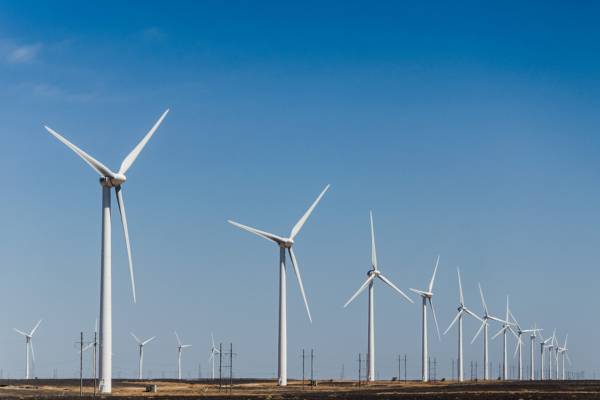
Grasim Industries and Suzlon Energy have entered into a partnership to develop, commercialise and scale wind turbines equipped with recyclable blades, in a move aimed at advancing circularity in India's wind energy sector.
The companies have signed a memorandum of understanding (MoU) covering the development and commercialisation of wind turbines using recyclable blade technology. The collaboration brings together Grasim's Advanced Materials Division, its renewable energy subsidiary Aditya Birla Renewables Limited (ABRen), and Suzlon, a wind turbine manufacturer.
Under the arrangement, Grasim will supply wind turbine blades manufactured using its Recyclamine epoxy technology. The technology is designed to enable chemical recycling of the blades at the end of their service life, allowing valuable composite materials to be recovered for reuse in other applications. The approach is intended to address one of the waste-management challenges associated with wind energy equipment.
Conventional wind turbine blades are largely made from thermoset composite materials, which are difficult to recycle once they reach the end of their operational life. The development of recyclable alternatives could help reduce the volume of blade material sent for disposal and support the recovery and reuse of resources.
Suzlon will integrate the Recyclamine technology into its manufacturing process as the original equipment manufacturer (OEM) for the wind turbines. The companies will initially pursue the collaboration on a pilot basis, with the aim of developing and demonstrating the technology before exploring wider commercial adoption.
Aditya Birla Renewables will deploy a wind turbine fitted with the recyclable blades at a selected project site. The installation is intended to demonstrate the commercial viability of the technology under operating conditions. The partners will also explore opportunities to expand the adoption of recyclable-blade turbines across India and other mutually agreed markets.
The agreement was signed at the Bharat Renewable Energy Summit and Expo 2026. It combines Grasim's materials capabilities with Suzlon's wind turbine manufacturing operations and ABRen's renewable energy business, with the three entities contributing to different stages of the initiative, from blade materials and turbine integration to project deployment.
The collaboration comes as the wind energy industry faces increasing attention on the environmental impact of equipment throughout its lifecycle. While wind power supports the transition to renewable electricity, the disposal of large composite blades at the end of their useful life remains a challenge for the sector. Recyclable blade technology is intended to address this issue by creating a route for recovering materials rather than treating used blades as waste.
For Grasim, the partnership provides an application for its advanced materials technology in the renewable energy sector. For Suzlon, it offers an opportunity to incorporate recyclable materials into its turbine portfolio, while ABRen will support the field deployment of the technology.
The companies will assess the potential for broader adoption following the pilot initiative. The announcement did not specify the investment involved, the capacity or location of the initial turbine installation, or a timeline for commercial-scale deployment.
Source- Reuters

17th Nov, 2026

17th Nov, 2026


17th Nov, 2026




17th Nov, 2026


17th Nov, 2026
Advertisement








 Facebook
 Whatsapp

