Advertisement






The Gulf conflict has disrupted global supply chains, pushed...
REITs have changed the way commercial real estate is owned a...
What really powers the cloud? Behind every Google search, A...
What really powers the cloud? Behind every Google search, A...
Luxury real estate is one of the most talked-about segments ...
The Delhi Metro recorded 80.55 lakh passenger boardings on November 2, an increase of 8.3 lakh compared with the previous Monday, as restrictions on older vehicles entering the capital encouraged commuters to use public transport. The rise followed the implementation of restrictions on non-BS-VI compliant vehicles registered outside Delhi from November 1, alongside measures under the Graded Response Action Plan (GRAP). To manage the additional passenger movement, the Delhi Metro Rail Corporation (DMRC) increased services by 40 additional train trips on weekdays.
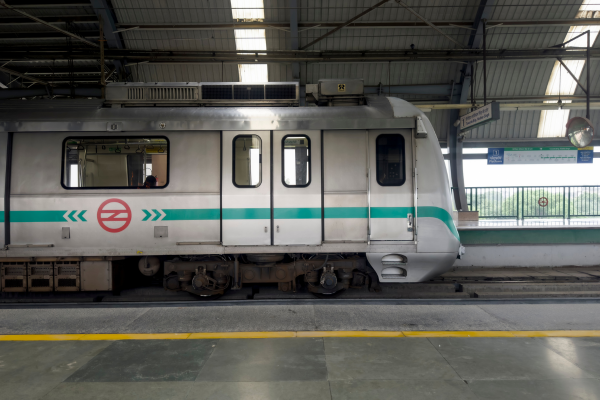
The Delhi Metro Rail Corporation (DMRC) recorded 80,54,968 passenger boardings on November 2, compared with 72,24,094 on October 26, registering an increase of 8,30,874 boardings in a week. The increase came after restrictions on certain vehicles entering Delhi were implemented as part of the national capital's winter pollution-control measures.
According to a DMRC official quoted by The Times of India, the rise in passenger boardings may be attributed to the restrictions on the operation of non-BS-VI compliant vehicles, which encouraged commuters to shift towards public transport. From November 1, petrol and diesel vehicles registered outside Delhi that do not meet BS-VI emission standards were barred from entering the capital.
The restrictions form part of the measures being implemented to address rising air pollution in Delhi-NCR. The Commission for Air Quality Management (CAQM) had already activated Stage I of the Graded Response Action Plan (GRAP), followed by the implementation of Stage II across the region on November 2. These measures include steps to discourage private vehicle use and promote public transport.
The increase brought daily Metro boardings close to the network's highest-ever recorded figure of 82,44,903, registered on September 17 during a strike by Delhi Transport Corporation (DTC) bus drivers. The previous record was 81,88,115 passenger journeys, recorded on August 8, 2025, ahead of Raksha Bandhan.
DMRC defines passenger boardings by counting the number of Metro lines used by a commuter to complete a journey. Consequently, a passenger changing lines during a trip may be counted more than once. The figure therefore represents total boardings rather than the number of individual people travelling on the network.
To accommodate the increase in demand, DMRC has introduced 40 additional train trips on weekdays. It initially added 20 trips daily from October 22 following the implementation of GRAP Stage I. After GRAP Stage II came into force on November 2, another 20 trips were introduced from November 3, taking the total number of additional daily services to 40.
The corporation has also made additional passenger facilitation arrangements at stations wherever required to manage commuter movement. DMRC operates a fleet of 336 trains comprising 2,326 coaches across its network, with more than 4,200 train trips scheduled daily.
The Yellow and Blue lines are currently the busiest corridors on the network, followed by the Pink Line. Delhi Metro's average daily ridership is around 64 lakh, making the latest figure of more than 80 lakh boardings a significant increase over its usual daily traffic.
The rise in boardings highlights the role of public transport in supporting mobility during periods of stricter vehicle restrictions and heightened pollution-control measures. DMRC is continuing to operate additional weekday services to accommodate the increased demand across the network.

17th Nov, 2026

17th Nov, 2026
17th Nov, 2026


16th Nov, 2026


16th Nov, 2026

16th Nov, 2026
16th Nov, 2026
Advertisement








 Facebook
 Whatsapp

