Advertisement






The Gulf conflict has disrupted global supply chains, pushed...
REITs have changed the way commercial real estate is owned a...
What really powers the cloud? Behind every Google search, A...
What really powers the cloud? Behind every Google search, A...
Luxury real estate is one of the most talked-about segments ...
Delhi has set a target of expanding its electric vehicle charging network to 32,062 points by December 2029 after exceeding the target set for December 2026 three months ahead of schedule. The city had 14,225 charging points as of September 30, following the addition of 5,312 points during the first nine months of the year. The expansion plan also includes 10 public charging stations for electric trucks, supported by a central subsidy of INR 8.9 crore. Further installations are being advanced under the PM E-DRIVE scheme.
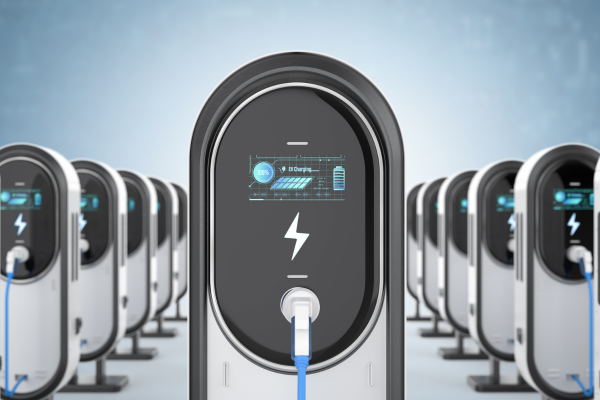
Delhi plans to expand its electric vehicle (EV) charging network to 32,062 points by December 2029, following an early achievement of its existing installation target. The city had 14,225 charging points as of September 30, 2026, exceeding the 13,913-point target set by the Commission for Air Quality Management (CAQM) for December 2026. According to government figures, Delhi added 5,312 charging points between January 1 and September 30. The next phase of infrastructure development is expected to support the adoption of electric vehicles across private transport, public services and commercial fleets.
Alongside the broader charging network expansion, the Ministry of Heavy Industries has sanctioned a subsidy of INR 8.9 crore for 10 public charging stations dedicated to electric trucks. The proposed facilities will have 20 heavy-duty chargers rated at 360 kW each and using the CCS-II charging standard. The stations are intended to address charging requirements for heavy commercial vehicles, which need higher-capacity equipment than many passenger vehicles. Their development adds a freight-focused component to Delhi’s EV infrastructure plans, although the available reports do not specify the locations of the 10 stations or their expected commissioning dates.
The Centre has also sanctioned INR 127.16 crore for 382 charging sites under the PM E-DRIVE scheme. Of these, 180 sites have been reassessed and found suitable for composite chargers with capacities of 12 kW, 60 kW and 120 kW. The Delhi government submitted details of these sites to the Ministry of Heavy Industries on October 8, while tendering and approval processes are underway through Delhi Transco Limited and the relevant departments. The sites remain at different stages of preparation, and the sanctioned funding should not be interpreted as confirmation that all proposed charging facilities are operational.
The charging infrastructure rollout is linked to Delhi’s Electric Vehicle Policy 2026, notified on June 30, which establishes timelines for transitioning specified vehicle categories towards electric mobility. From January 1, 2027, only electric three-wheelers and N1-category goods carriers will be registered in the city under the stated policy provisions. The corresponding registration requirement for two-wheelers is scheduled to take effect on April 1, 2028. The policy also sets a target for electric vehicles to account for 30 per cent of school bus fleets by 2030, alongside a phased transition involving government departments and commercial delivery operations.
The expansion of charging facilities is expected to be important to supporting these policy timelines, particularly as more vehicle categories transition towards electric power. The government has identified government offices, public parking areas, Metro stations and highways as locations for expanding charging access. However, implementation will depend on completing site assessments, approvals, tendering and the necessary electricity infrastructure. The latest figures establish progress against the earlier CAQM target, while the 2029 objective will require substantial further expansion. The pace of installation and the availability of functioning chargers will remain important measures of progress as Delhi advances its electric mobility plans.

17th Nov, 2026

17th Nov, 2026

17th Nov, 2026


16th Nov, 2026


16th Nov, 2026

16th Nov, 2026
16th Nov, 2026
Advertisement








 Facebook
 Whatsapp

